
Burning through your ad budget on Instagram Reels without seeing a solid return? You're not alone. Getting Instagram reel ads to convert in 2026 requires balancing strict technical specs with creative that stops the scroll instantly.
This guide discusses the specs and costs of Instagram Reels ads in 2026. We also pulled three Reels ads currently running from the Meta Ad Library using Atria, checked their specs (against Meta’s own guidelines for 2026), and analysed them.
What are Instagram Reels ads?
An Instagram Reels ad is a full-screen, vertical video ad that runs between the Reels people already scroll through.
It looks and behaves like an organic Reel: people can like it, comment, save, and share it. Meta marks it “Sponsored” so it’s clear the post is paid.
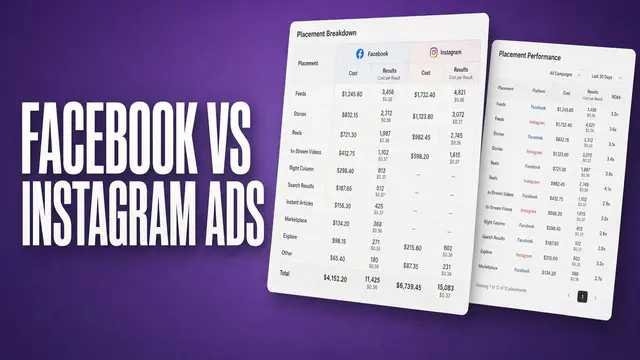
There are two ways to get a Reel in front of a paid audience. A boosted Reel takes a Reel you’ve already posted and puts money behind it in a few taps, the same as boosting a Facebook post. How the two placements compare on cost and delivery is covered in Facebook Ads vs Instagram Ads.
A Reels ad is built from scratch in Ads Manager, with full control over targeting, budget, and placement. Boosting is faster. Building a real campaign gives you more control and better data.
The one you want depends on your goal, and we’ll get into that further down.
Instagram Reels ad specs (2026)
These are the recommendations for Instagram Reels ads in 2026.
| Spec | Requirement |
|---|---|
| Aspect ratio | 9:16 |
| Resolution | 1440 x 2560 pixels for best results |
| File type | MP4 or MOV |
| Max file size | 4GB |
| Video codec | H.264, square pixels, fixed frame rate |
| Audio | Stereo AAC, 128kbps+ |
| Max duration | 0 seconds to 15 minutes |
| Minimum width | 250 pixels for ads less than 30 seconds long; 500 pixels for ads 30 seconds long or longer |
| Primary text | 44 characters |
Keep your text and logo out of the edges. Meta recommends leaving roughly 14% of the top, 35% of the bottom, and 6% of each side free of key creative elements.
That space gets covered by the profile name, caption, and call to action button, so anything important placed there gets hidden or cropped.
How much do Instagram Reels ads cost?
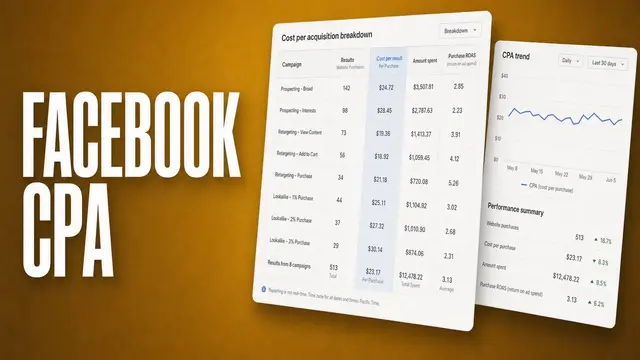
As a rough benchmark, Instagram ads typically run $0.40 to $2 per click, $0.03 to $0.08 per engagement, and $2 to $6 per 1,000 impressions.
Reels tends to sit at the cheaper end of that range, since Meta prioritizes short-form video and floods the auction with Reels inventory.
Reels has gotten cheaper to advertise on, because there’s a lot more of it. Tinuiti’s Digital Ads Benchmark Report confirms Reels reached a 33% share of Instagram ad impressions in Q1 2026, an all-time high. The prior year’s share sat at 19%.
Your actual Reels CPM depends on your industry, creative quality, and audience. A generic figure won’t tell you much.
In Ads Manager, open your campaign, go to Breakdown, and select Placement to compare Reels against Feed and Stories using your last 30 days of data.
What affects your Reels ad costs
Your hook decides more of your cost than almost anything else. Reels is a high-velocity, swipe-fast environment. If your opening frame doesn’t stop the scroll in the first two seconds, Meta’s auction treats your ad as less relevant and pushes your CPC higher.
Audience heat matters too. Prospecting cold audiences is far cheaper than retargeting. Warm custom audiences, like past site visitors, pull from a smaller pool, which can push CPMs considerably higher.
Industry plays a role as well. Competitive spaces like finance or SaaS see higher conversion costs than lower-barrier categories like beauty or ecommerce.
Expect costs to climb further during major shopping periods, when advertiser demand spikes across the board.
Choosing a bidding strategy
Meta offers three ways to bid in the ad auction, and the right one depends on what you’re optimizing for.
- Spend-based bidding: Meta finds the lowest average cost per conversion within your budget, or targets a smaller number of high-value conversions.
- Goal-based bidding: you set a target conversion rate, and Meta allocates spend to hit it, with an overall cap still in place.
- Manual bidding: you set bids yourself instead of relying on Meta’s algorithm, which gives more control but needs more active management.
Setting your budget
Give a campaign at least seven days before judging it. Meta needs that runway to learn from performance data and allocate your budget efficiently.
With a daily budget, Meta can spend up to 75% over your set amount on a given day to capture strong opportunities, though your weekly spend won’t exceed seven times your daily budget.
A lifetime budget caps total spend across the whole campaign instead, which suits advertisers with more day-to-day flexibility.
If you’re optimizing for cost per result, set your daily budget at least five times your cost per result goal. A $10 target means budgeting at least $50 a day, or the algorithm won’t have enough data to find efficient placements.
How to keep Reels ad costs down
Never boost from the Instagram app itself: Apple charges a mandatory 30% fee on in-app purchases, which applies to boosted posts. Building campaigns directly in Ads Manager avoids that markup and gets you the true auction price.
Refresh your creative every 7 to 10 days: Since Meta's Andromeda update, the algorithm rewards creative diversity, so a steady stream of fresh variations fights fatigue and unlocks cheaper delivery.Smaller settings add up too. Turn on Advantage+ placements (or manually select at least six), and broaden your audience to 2 million or more. You can also use Meta’s Opportunity Score recommendations, which have shown a 5% median drop in cost per result for advertisers who act on them.
Instagram Reels ad examples
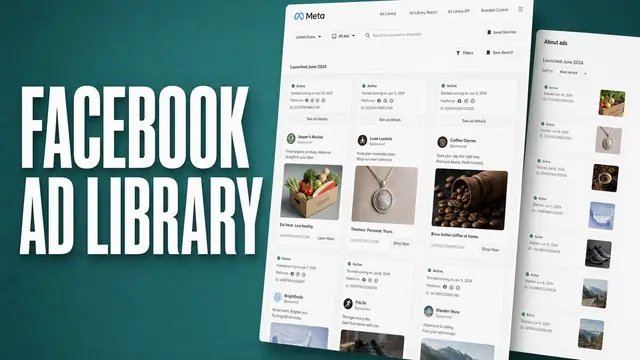
These ads are active ads currently running on the Meta platform, pulled directly from Atria’s ad library.
IM8 Health, featuring running coach Jess McDowell
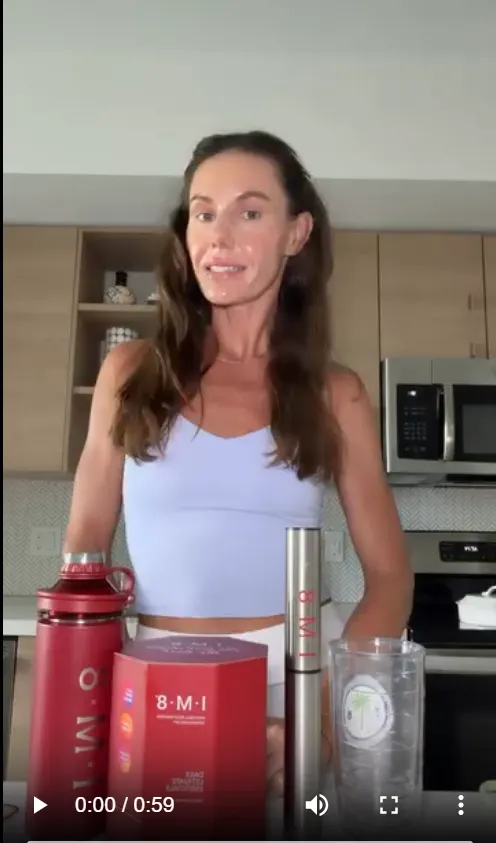 A single continuous selfie-style shot, (no distracting cuts or motion graphics) filmed like an ordinary Reel, running just under 60 seconds.
It opens with “Day five of taking IM8, let me tell you something, this stuff is working”, which reads as if it was unscripted, and doesn’t feel like an ad intro.
She lists specific, concrete effects (energy, bloat, regularity, skin, sleep, cravings), avoiding vague claims. She holds up the product’s mixer and welcome box on camera exactly when she talks about them, and closes with a soft, native CTA (“read the caption”).
It works because specificity and imperfection do more for credibility here than production value would.
She even skips reciting the ingredient list on camera (“so I don’t have to spew them off”), a small choice that signals she’s speaking naturally without a script.
Very little about the framing, lighting, or pacing distinguishes it from a Reel a follower would post unprompted. This is why it holds attention.
AlphaInfuse, hair growth serum
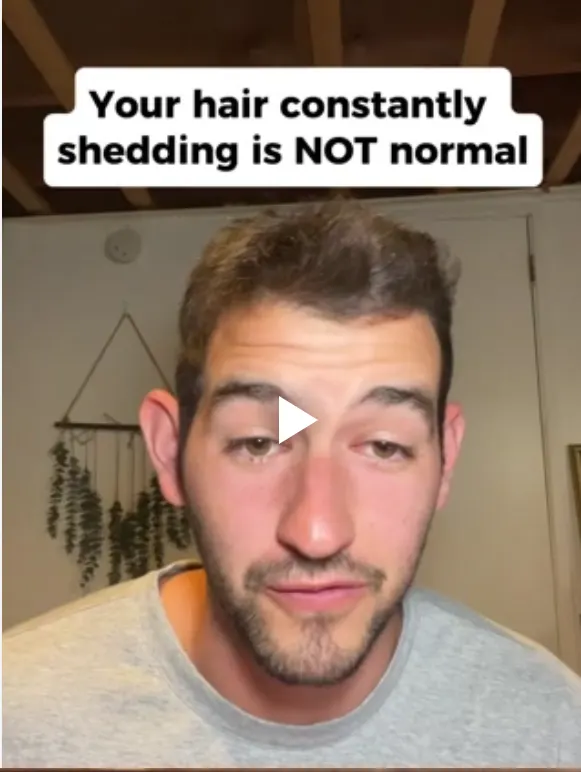 A different hook style: a persistent on-screen text overlay stays up for the whole ad (“Your hair constantly shedding is NOT normal”), reframing something common as an urgent problem before he says a word. Running about 54 seconds, it opens with a small glass ampoule held up to the camera.
He demonstrates application on camera exactly as he describes it, twisting off the cap and dabbing the serum on, the same show-while-you-say-it pattern IM8 uses with its mixer and welcome box.
Why it works: the on-screen text does double duty as both hook and constant reminder, so anyone scrolling past with the sound off still catches the claim.
Pairing a bold on-screen claim with an on-camera demo is a different mechanic than a spoken hook, but it does the same job of stopping the scroll before the pitch starts.
Moodi, hormone gummies
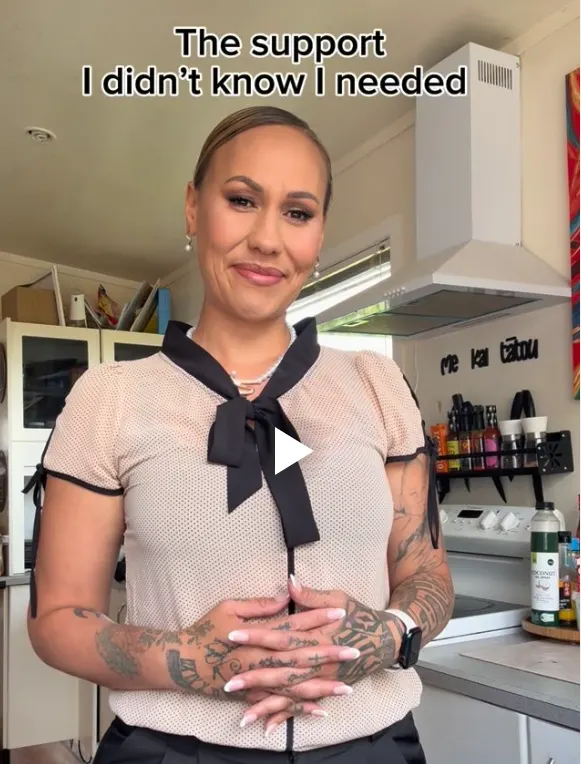
A third hook style, running about 57 seconds. It features an unfiltered, venting monologue about a crazy morning, delivered like a real rant.
The creator recounts a frustrating parenting moment in exaggerated, deliberately unfiltered language, then switches that frustration directly into the product as the thing that got her through it. Then lands on a plain, relatable call to action to check the product out.
The reason this ad has run for over 200 days is that it's successful.
The format feels more like a real, in-the-moment vent than a testimonial someone sat down to write.
It fits a hormone and mood product especially well, since the whole pitch is built on relatable frustration.
The ad’s language is stronger and more unfiltered than IM8 or AlphaInfuse. The language isn't something we’d recommend for Atria’s own tone.
It’s a useful example of format and pacing only.
Atria’s ad library helps you find examples like these. You pull ads that are running right now for a given brand or niche.
How to set up an Instagram Reels ad
- Open Ads Manager and start a new campaign. Choose an objective that supports Reels placements, such as awareness, traffic, engagement, or conversions.
- Set your campaign details. Budget, schedule, and target audience all get defined at this stage. Same as any other Meta campaign.
- Choose Advantage+ Placements for better performance. If you want strict control over where the budget goes, choose Manual Placement.
- Upload your creative. Use a video built for 9:16 vertical, full screen. You can upload a new video, pull from your existing Instagram posts, or let Meta generate one from a photo using its creative tools.
- Add your text and call to action. Keep primary text short, since anything past the character limit gets truncated. Pick a CTA that matches your goal, like Shop Now or Learn More.
- Confirm your ad account and Pixel setup. Make sure you’re posting from the right Instagram business account and that tracking is in place before you launch.
- Review and publish. Once approved, your ad enters the auction and starts showing up between organic Reels.
The whole process won't take long if your creative is ready. Most of the setup work happens before you open Ads Manager, in getting the video itself right.
Instagram Reels ads best practices
Hook viewers in the first two seconds. People scroll fast. If your opening frame doesn’t grab attention immediately, nothing else in the ad gets seen.
Use audio. Music, voiceover, or trending sound helps a paid ad blend into organic Reels. Add captions too, since plenty of people watch with the sound off.
Design for full-screen vertical from the start. Don’t repurpose a Feed ad. Shoot and edit for 9:16, and keep key text, logos, and CTAs out of the safe zones. So nothing gets covered by the profile name or caption.
Make it feel native, not like an ad. UGC-style footage, real people, and casual pacing tend to outperform polished studio production. This won’t suit every brand.
A premium or luxury product often needs more visible polish to feel credible. So weigh that against the reach you’d gain from a rougher, more native cut.
Keep it short. Even though the max duration runs longer, shorter Reels ads generally hold attention better. Say the one thing you need to say, then stop.
Test more than one variation. Small changes to the hook, pacing, or CTA can shift performance quite a bit, so don’t settle on the first version.
Instagram Reels ads work when the specs are right, the budget is grounded in real numbers, and the creative studies what’s currently running, eliminating guessing. Get those three right, and your chances of success increase.
Before you brief your next one, pull a few real examples from Atria’s ad library and build from what’s already working.
FAQ: Instagram Reels ads
Should I boost a Reel or build a full Reels ad campaign?
For most advertisers, it’s better to build a full campaign than boost a Reel. It gives you control over targeting, budget, and objective, and it’s the option to use when you’re launching creative that hasn’t been posted yet. A full campaign takes more setup, but it performs better.
How long can a Reels ad be?
The current safe ceiling for a Reels ad is 15 minutes. But shorter Reels tend to perform better regardless of the ceiling.
Do Reels ads annoy viewers?
Some viewers do get annoyed with Reels ads. Ad load in Reels has grown fast as Meta expands the format, and people notice when ads feel repetitive or out of place. That matters for creative decisions as much as performance ones.
What’s the minimum budget to test Reels ads?
There's no placement-specific minimum to test Reels ads. Meta doesn’t set minimum budget rules specifically for Reels.
Campaign minimums apply across the entire Meta Ads ecosystem (typically $1/day for impression/awareness goals or $5/day for traffic and conversion objectives, depending on currency and buying type).