Ad ideas for Bello Cosmetics on Meta.
Ad ideas for Bello Cosmetics on Meta. AtriaAI helps you to find great Bello Cosmetics ads trending on Meta. Start for free on Atria.

Oct 01, 2026 - Present
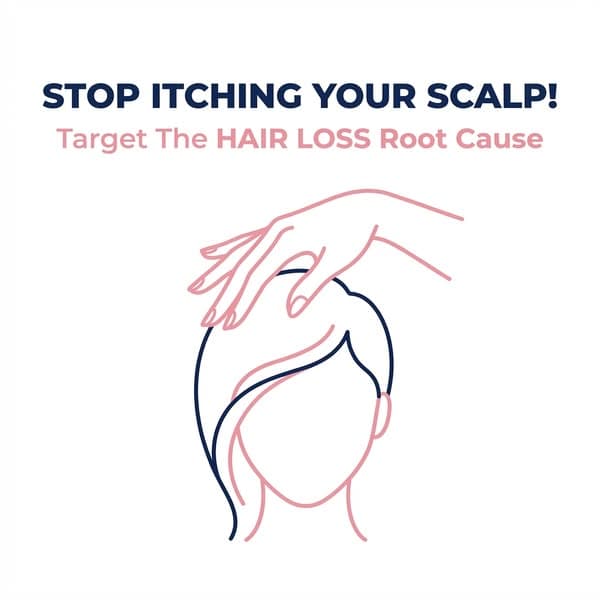
That itchy scalp isn't just annoying, it's a warning sign that your hair loss is about to get worse.
Most women ignore it. They switch shampoos. Buy a medicated dandruff treatment. Maybe rub in some tea tree oil and hope it goes away.
But the itch doesn't go away. Because the itch isn't the problem. The itch is what happens when your scalp is under attack from the inside, and your follicles are screaming for help.
Here's something most dermatologists won't tell you unless you push:
After 40, when estrogen starts to decline, a hormone called DHT quietly floods your scalp. DHT is a potent form of testosterone, and it does two devastating things at the same time. First, it triggers chronic inflammation around the follicle. That inflammation? That's your itch. It's not dry skin. It's not product buildup. It's your scalp reacting to a hormonal assault happening at the root level.
Second, and this is the part that should stop you cold, DHT wraps around the follicle and begins to suffocate it. It shrinks the opening.
Cuts off blood flow. Miniaturizes the hair strand until what used to come in thick and strong now comes in thin, wispy, and barely visible.
The itch and the thinning aren't two separate problems. They're the same problem. And that problem has a name.
Now think about every product you've tried.
The anti-dandruff shampoo that calmed the flaking but didn't stop the shedding. The biotin gummies your friend recommended. The rosemary oil you massaged in every night for three months. The Rogaine that maybe slowed things down, until you stopped and watched it all come back worse than before.
None of those products touched DHT. Not one. They were treating surface symptoms while the hormonal stranglehold on your follicles continued unchecked, day after day, wash after wash.
And the companies that sold them to you? They knew exactly what was happening. They knew DHT was the real driver of hair loss in women over 40. But solving the root cause doesn't create repeat customers. Treating symptoms does. So they kept selling you bottles of temporary relief and called it "hope."
Meanwhile, your follicles kept shrinking. Your part kept widening. And that itch? It kept coming back, because the fire was never put out.
But a board-certified dermatologist recently broke from the playbook. She identified a targeted approach, a 30-day scalp detox protocol that goes directly after DHT at the follicle level. No drugs. No prescriptions. No greasy foams that leave residue on your pillow.
A simple daily protocol that addresses the inflammation and the hormonal cause simultaneously, so the itch calms down and the follicles finally get room to breathe again.
Women who followed the protocol reported something they didn't expect: the itching stopped first. Within days. Then, over the following weeks, less hair in the drain. Tighter parts. Baby hairs sprouting at the temples. One woman said she stopped scratching her scalp for the first time in two years, and then noticed new growth where she'd been scratching.
The full article explains why your itchy scalp and your thinning hair are connected at the hormonal level, what DHT is doing to your follicles right now, and how this 30-day detox targets the root cause that every other product missed.
If you've been scratching your head, literally and figuratively, wondering why nothing works, this article has the answer.
Tap the button below to read the full article. Because once you understand what's actually causing the itch and the thinning, you'll never waste money on the wrong solution again.
https://start.trybello.com/tb-a503-adv
Most women ignore it. They switch shampoos. Buy a medicated dandruff treatment. Maybe rub in some tea tree oil and hope it goes away.
But the itch doesn't go away. Because the itch isn't the problem. The itch is what happens when your scalp is under attack from the inside, and your follicles are screaming for help.
Here's something most dermatologists won't tell you unless you push:
After 40, when estrogen starts to decline, a hormone called DHT quietly floods your scalp. DHT is a potent form of testosterone, and it does two devastating things at the same time. First, it triggers chronic inflammation around the follicle. That inflammation? That's your itch. It's not dry skin. It's not product buildup. It's your scalp reacting to a hormonal assault happening at the root level.
Second, and this is the part that should stop you cold, DHT wraps around the follicle and begins to suffocate it. It shrinks the opening.
Cuts off blood flow. Miniaturizes the hair strand until what used to come in thick and strong now comes in thin, wispy, and barely visible.
The itch and the thinning aren't two separate problems. They're the same problem. And that problem has a name.
Now think about every product you've tried.
The anti-dandruff shampoo that calmed the flaking but didn't stop the shedding. The biotin gummies your friend recommended. The rosemary oil you massaged in every night for three months. The Rogaine that maybe slowed things down, until you stopped and watched it all come back worse than before.
None of those products touched DHT. Not one. They were treating surface symptoms while the hormonal stranglehold on your follicles continued unchecked, day after day, wash after wash.
And the companies that sold them to you? They knew exactly what was happening. They knew DHT was the real driver of hair loss in women over 40. But solving the root cause doesn't create repeat customers. Treating symptoms does. So they kept selling you bottles of temporary relief and called it "hope."
Meanwhile, your follicles kept shrinking. Your part kept widening. And that itch? It kept coming back, because the fire was never put out.
But a board-certified dermatologist recently broke from the playbook. She identified a targeted approach, a 30-day scalp detox protocol that goes directly after DHT at the follicle level. No drugs. No prescriptions. No greasy foams that leave residue on your pillow.
A simple daily protocol that addresses the inflammation and the hormonal cause simultaneously, so the itch calms down and the follicles finally get room to breathe again.
Women who followed the protocol reported something they didn't expect: the itching stopped first. Within days. Then, over the following weeks, less hair in the drain. Tighter parts. Baby hairs sprouting at the temples. One woman said she stopped scratching her scalp for the first time in two years, and then noticed new growth where she'd been scratching.
The full article explains why your itchy scalp and your thinning hair are connected at the hormonal level, what DHT is doing to your follicles right now, and how this 30-day detox targets the root cause that every other product missed.
If you've been scratching your head, literally and figuratively, wondering why nothing works, this article has the answer.
Tap the button below to read the full article. Because once you understand what's actually causing the itch and the thinning, you'll never waste money on the wrong solution again.
https://start.trybello.com/tb-a503-adv

Oct 01, 2026 - Present
Please STOP trying to regrow your hair. I know that sounds crazy, but I’m a board certified dermatologist and most products just make your hair loss worse!!
I finally found a product that actually works for menopausal hair loss and blocks DHT. I recommend it to all my patients. Check it out here: https://start.trybello.com/tb-a498-adv
I finally found a product that actually works for menopausal hair loss and blocks DHT. I recommend it to all my patients. Check it out here: https://start.trybello.com/tb-a498-adv
00:51

Oct 01, 2026 - Present
Please STOP trying to regrow your hair. I know that sounds crazy, but I’m a board certified dermatologist and most products just make your hair loss worse!!
I finally found a product that actually works for menopausal hair loss and blocks DHT. I recommend it to all my patients. Check it out here: https://start.trybello.com/tb-a287-adv
I finally found a product that actually works for menopausal hair loss and blocks DHT. I recommend it to all my patients. Check it out here: https://start.trybello.com/tb-a287-adv
00:47

Oct 01, 2026 - Present
Please STOP trying to regrow your hair. I know that sounds crazy, but I’m a board certified dermatologist and most products just make your hair loss worse!!
I finally found a product that actually works for menopausal hair loss and blocks DHT. I recommend it to all my patients. Check it out here: https://start.trybello.com/tb-a287-adv
I finally found a product that actually works for menopausal hair loss and blocks DHT. I recommend it to all my patients. Check it out here: https://start.trybello.com/tb-a287-adv
02:12

Oct 01, 2026 - Present
I told my endocrinologist to go f*ck herself when she told me my testosterone was higher than my husband’s. Eight weeks later I washed my hair and it stayed on my head for the first time in 10 years. Let me tell you how I got in that room.
My name is Jill.
I live in Pasadena, California.
I have spent sixteen years as the scheduler at an oral surgery office on Colorado Boulevard.
I have been married to Dave for twenty-three years. We have a daughter, Sophie. She is sixteen. She still uses my bathroom even though she has her own.
I say this because I want you to understand who I am before I tell you what I did.
Not the kind of woman who curses at a doctor.
Not the kind of woman who walks out of an exam room.
Not the kind of woman who argues with a lab printout.
I am the kind of woman who takes the paper, nods, and buys what they circled.
Or I was.
I started losing hair at forty-eight.
Not a little. Not slow.
It came out in my hands in the shower. It came out on the brush. It came out on Sophie’s black sweater when she hugged me before school.
I went to a dermatologist.
She said it was just aging.
I went to a second one.
She said it was just aging, and maybe stress, and I could try minoxidil if I wanted to be serious.
I went to a third one with the same photos on my phone.
She said a lot of women thin after forty-five. She said my labs looked fine. She said we would track it.
Just aging.
Just aging.
Just aging.
I took the biotin. I took the pretty pills. I bought the shampoo that smelled expensive. I stopped wearing my hair down in the office. I started taking the family pictures from the side.
I did what I was told.
My hair kept coming out.
By last winter I had stopped asking.
That is the worst part. Not the drain. The day you stop asking.
Then a Tuesday night, late, I was on my phone in bed like a teenager.
Lisa Renner had posted from work.
Lisa roomed with me for one semester in college. Then she left for beauty school and I stayed.
She cuts hair in Beverly Hills now. Not “nice hair in a nice zip code.”
The kind of salon where the names on the books are the names on magazines.
We had not really talked in years.
In the photo her client’s hair was in a clip and Lisa’s hands were in it and the caption was nothing. Just a sink and a towel.
I did something I had not done in years.
I sent her a message.
I told her I was losing my hair. Every dermatologist I saw said the same thing. I needed to know if I was being dramatic.
She wrote back in six minutes.
She said I was not being dramatic.
She said stop letting them call it aging.
Told me most of them never run a line called SHBG.
If they only look at the cheap panel they will tell you your testosterone is normal and send you home.
She told me there is an endocrinologist she sends women to. Dr. Priya Mehta.
She said go.
I felt two things at the same time.
Hopeless, because I had already done the doctor loop.
And something else I had not felt in a long time. Like there was still a door.
I went.
Dave came with me. He always does. He sits in the waiting room and pretends he is answering email.
Dr. Mehta did not start with aging.
She ran the panel Lisa told me to ask for.
On the way down to the lab Dave shrugged and said as long as we are here they can take his too. He had been putting off his physical. That was the whole reason.
They drew both of us.
Two days later she put two pages on the exam table and turned them so I could read.
Mine. Then his.
That is when she said it.
Your testosterone is higher than your husband’s.
I thought she was insulting me.
That is why I said what I said.
Dr. Mehta did not get up.
She did not call for a nurse.
She waited until the room was quiet again and tapped my page, then Dave’s.
This is not an insult.
This is the part dermatologists do not run.
She walked it the way you explain something to a person who files insurance for a living and has been lied to by a short panel.
The first test most offices order is total testosterone.
That number is the whole pile.
Tied-up and loose, counted together, dumped into one box.
If the box looks normal they send you back to the dermatologist and the dermatologist says aging.
SHBG is the missing line.
It is the protein that ties testosterone up so it cannot go walking around your body doing work.
Whatever is not tied up is free testosterone.
That is the leftover.
That is the part that can show up at a hair follicle.
My total box had looked fine for three years.
My leftover was not fine.
Dave’s leftover was lower than mine.
A fifty-one-year-old woman with more loose testosterone than her husband isn’t unusual.
It is a ratio problem.
Dr. Mehta turned my page sideways so I could see the estrogen number next to it.
Before forty-five, estrogen sits on the follicle like a guard.
After forty-five it drops.
The guard leaves.
The leftover testosterone does not have to go through the roof.
It only has to be higher than the estrogen that used to keep it in check.
That leftover can turn into DHT right at the root.
DHT is the form that sits on the follicle and tells it to shrink.
Thinner hairs.
Slower growth.
A part that keeps widening after the shower looks better.
That is why biotin did nothing.
That is why the expensive pills did nothing.
That is why three dermatologists called it aging and watched me leave with a printout that said I was fine.
They were looking at the pile.
They never looked at what was loose.
They never looked at what had left the follicle unguarded.
I sat there with my purse in my lap and felt stupid in a way that made me furious all over again.
Not at her.
At the years.
The sentence was not the insult.
The insult was every visit before it.
Then she told me the part that actually mattered.
The paper explains it.
The paper does not fix it.
SHBG tells you why the cheap panel lied.
Free testosterone tells you what got loose.
Estrogen tells you why the guard left.
None of those numbers walk up to a follicle and sit down.
The leftover is already at the root.
It is already turning into DHT on the spot.
It is already telling the hair to come back thinner.
You can swallow another pill.
You can raise a number.
You can lower a number.
The message at the scalp does not read your lab work.
Dr. Mehta tapped the crown of her own head with two fingers, hard enough that I would remember it.
If you want the shrinking to stop, you interrupt the signal where it is happening.
On the head.
Not in the stomach.
Not in a capsule that never leaves the bloodstream.
Minoxidil pushes blood around and rents you the hair. Stop using it and the rent comes due.
Spironolactone is a conversation she would have if I wanted a prescription and a list of side effects.
Neither one is the job she was pointing at.
The job is smaller than that.
Get something on the follicle that gets in the way of DHT.
Every day.
Directly.
No foam that turns the morning into a medical appointment.
No grease I would have to explain at the front desk.
She does not sell that.
She does not keep it in a cabinet behind the front desk.
Lisa does.
Or Lisa knows the women who finally stopped swallowing a fix for a problem that was sitting on top of their heads.
Dr. Mehta wrote two words on the scratch pad and turned it toward me.
Ask Lisa.
I looked at Dave.
Dave looked at the two pages still on the table.
For the first time in three years I had an explanation that matched the drain.
I texted Lisa from the parking garage.
Ask Lisa. That was the whole note.
She called instead of typing.
I told her about the two pages. About Dave. About the leftover.
Lisa already knew the next question.
Can you fix the number.
You can work on the number.
That is a long job.
Free testosterone does not drop because you understood it in an exam room.
SHBG does not rearrange itself in a week.
Estrogen does not walk back onto the follicle because a doctor tapped her own head.
That work is real.
It should get done.
It is not fast enough for hair that is already shrinking.
While you wait for the blood to behave, the leftover is still turning into DHT on the scalp.
Every day you wait for the hormones to settle is another day the follicle gets the shrink message.
The fastest way to stop the loss — and the only way to start growing anything back while the blood catches up — is to block DHT where it is landing.
On the head.
Not in a pill that never leaves your stomach.
That is what she puts on her clients before they walk out.
A spray.
Ten seconds.
Hair Helper.
It does not claim to fix SHBG.
It does not claim to make your leftover look like your husband’s.
It gets in the way of DHT at the follicle so the leftover has a harder time finishing the job.
Lisa walked the bottle like this, not like a label.
Sophora. That is the one that gets in the way of the step that turns leftover testosterone into DHT right at the root.
Caffeine. Not coffee. On the scalp it counters what DHT is doing to the follicle and keeps blood moving around the root so the hair is not sitting there starved.
Angelica root. Old stuff. Keeps the follicle from folding when DHT is trying to shut it down.
Rice extract. Gives the strand something to grow with once the shrinking eases up.
Ginger. Calms the scalp so the rest of it can work without the skin throwing a fit.
There is biotin in it too. I had already swallowed biotin for a year. In a pill it did nothing. On the head it is at least in the neighborhood of the problem.
Five things doing work at the root.
None of them living in my bloodstream hoping they remember the address.
No foam.
No grease under office lights.
No “if you stop, it all falls out.”
I ordered it before Dave started the car.
The box showed up on a Thursday.
That night I stood at my sink in Pasadena and sprayed my part like a woman who had spent three years doing the wrong job carefully.
Before I hung up in that garage, Lisa did one more thing.
She told me who else was on it.
Not as a pitch.
As a calendar.
Marisol is forty-seven. She sits on camera twice a week and she cannot wear a clip without someone in a headset asking if she is tired. Lisa started her on the spray on a Monday. By the third wash Marisol texted her a photo of the drain and the sentence was, is this a trick. The handfuls had stopped. Not the part. The handfuls. Lisa told her wait for the part. The part is slower.
Helen is fifty-four. She runs an office in Encino and she had been taking every picture from the left since Easter. Week two her brush got boring. Week five she came in for a cut and Lisa did not have to hide the crown with the blow dryer. Week eight Helen wore it down to a dinner she had already RSVP’d no to in her head. She sent Lisa a photo from the parking lot. Hair down. Overhead lights. She is squinting because she is smiling.
Ruth is sixty-one. Her daughter was getting married in October. Ruth had already booked a short cut for August because she did not want to be the shiny mother in the row. Lisa put her on the spray in June and told her to keep the appointment if she still wanted it. In August Ruth cancelled the cut. At the wedding the part was still a part. It was not a road. She wore it up. She wrote Lisa from a hotel bathroom: I can see hair in the pins.
Then there is Dee. Dee has been in Lisa’s book for eleven years. Same chair. Same gossip. Last winter Dee asked for a pixie because she was done fighting. Lisa said give the spray six weeks before I pick up the scissors. Week four Dee’s baby hairs along the hairline were long enough to catch in the comb. Week six, Lisa sent me a picture — I still have it. It shows a row of new hair. It might seem small, but it means a lot if you’ve seen a hairline fade. Dee did not get the pixie.
Lisa was not promising me Marisol’s drain or Helen’s dinner or Ruth’s pins.
She was handing me a clock.
Two to three weeks: the shower gets quieter.
Four to six weeks: new hair along the part.
Eight weeks: you wash and it stays in your head.
That last one was the only sentence I kept in the car on the way home.
Then Lisa told me the part that made it stupid not to try.
Hair Helper is not a cheap spray.
Sophora and angelica in the amounts they use are not sitting in a warehouse in New Jersey waiting to be watered down.
The bottle costs what it costs because the stuff in it is hard to get clean and expensive to keep stable.
Full price sits around a hundred dollars.
The day I ordered, they were running 65% off.
Lisa said they only do that once in a while and it does not stay up.
And they will let you empty the bottle.
120 days.
If your hair does not move, you send back what is left of the empty and they return the money.
That is the whole offer.
I had already spent more than a hundred on pretty pills that never left my stomach.
Sixty-five percent off a bottle I could return empty is not bravery.
It is a woman in a parking garage who is tired of being careful with the wrong thing.
I ordered it before Dave started the car.
The box showed up on a Thursday.
That night I stood at my sink in Pasadena and sprayed my part.
Four weeks.
The shower got quieter.
Not empty. Quieter.
I still watched the drain like it owed me money.
There was not a clump in my hand.
Sophie hugged me before school and I did not inspect her sweater in the doorway.
That was the first win.
The loss slowing down.
Eight weeks.
I washed my hair and it stayed in my head.
I stood under the water waiting for the old feeling.
It did not come.
The part was still a part.
It was not a road anymore.
I wore it down at the front desk and nobody asked if I was tired.
Sixteen weeks.
This is the one I care about.
Volume.
Not a magazine. Not twenty-five.
When I pulled it back I could feel hair in the elastic again.
Weight.
The kind you forget you are allowed to have.
Lisa saw me when I went in to get the ends cleaned up and she did not do the careful voice.
She just said there you are.
Dave did not make a speech.
He looked at the back of my head in the kitchen and recognized it.
I still spray it every morning.
The leftover testosterone did not vanish because a bottle showed up.
The DHT at the scalp stopped getting a free pass.
That was enough to get my hair back in the room.
If you are still sitting on a printout that says you are fine, look at the link below.
I do not know if the 65% is still on the page.
They run that cut once in a while and then they take it down.
Click and check.
If the discount is still there, use it before it comes off.
If you miss it you are paying the full hundred for the same bottle.
The ingredients do not get cheaper when the sale ends.
120 days.
Empty the bottle.
If nothing moves, you are not stuck with it.
I already did the three years of stuck.
👉 https://start.trybello.com/tb-a498-adv
~ Jill
P.S. Sixteen weeks in I can feel hair in the elastic again. Sophie does not go quiet when she hugs me. Dave looks at the back of my head in the kitchen and knows it. That is not a small thing after three years of a printout that said I was fine.
P.P.S. I did not fire Dr. Mehta and pray. The leftover testosterone is still a blood problem. That work takes time and it should get done. Hair Helper does not fix SHBG. It blocks DHT at the scalp while the blood catches up.
P.P.P.S. If you are the husband of a woman who has been told her hair is just aging — leave this next to her coffee. She will not ask you to look at her part. She will not tell you she is checking her daughter’s sweater after a hug. Put this in front of her. Say read this. For me. Dave sat in the waiting room and got his blood drawn because he was already there. He did not find Lisa. I wish I had not spent three years finding her alone.
👉 https://start.trybello.com/tb-a498-adv
P.P.P.P.S. If you are doing this without a Dave in the parking garage — I see you. The photos from the side. The clip every day. The way you say I’m fine when a child reaches up. You deserve to wash your hair and have it stay in your head. Ten seconds. One spray. That is all I am asking you to try.
👉 https://start.trybello.com/tb-a498-adv
P.P.P.P.P.S. The day I ordered, the bottle was 65% off. They only run that once in a while. I do not know if it is on the page as you read this. Click and check. If the cut is still there, use it before they take it down. Miss it and you are paying the full hundred for the same spray. The sophora and the angelica do not get cheaper because you waited. 120 days. Empty the bottle. If nothing moves, send it back. I already paid full price for three years of the wrong job.
My name is Jill.
I live in Pasadena, California.
I have spent sixteen years as the scheduler at an oral surgery office on Colorado Boulevard.
I have been married to Dave for twenty-three years. We have a daughter, Sophie. She is sixteen. She still uses my bathroom even though she has her own.
I say this because I want you to understand who I am before I tell you what I did.
Not the kind of woman who curses at a doctor.
Not the kind of woman who walks out of an exam room.
Not the kind of woman who argues with a lab printout.
I am the kind of woman who takes the paper, nods, and buys what they circled.
Or I was.
I started losing hair at forty-eight.
Not a little. Not slow.
It came out in my hands in the shower. It came out on the brush. It came out on Sophie’s black sweater when she hugged me before school.
I went to a dermatologist.
She said it was just aging.
I went to a second one.
She said it was just aging, and maybe stress, and I could try minoxidil if I wanted to be serious.
I went to a third one with the same photos on my phone.
She said a lot of women thin after forty-five. She said my labs looked fine. She said we would track it.
Just aging.
Just aging.
Just aging.
I took the biotin. I took the pretty pills. I bought the shampoo that smelled expensive. I stopped wearing my hair down in the office. I started taking the family pictures from the side.
I did what I was told.
My hair kept coming out.
By last winter I had stopped asking.
That is the worst part. Not the drain. The day you stop asking.
Then a Tuesday night, late, I was on my phone in bed like a teenager.
Lisa Renner had posted from work.
Lisa roomed with me for one semester in college. Then she left for beauty school and I stayed.
She cuts hair in Beverly Hills now. Not “nice hair in a nice zip code.”
The kind of salon where the names on the books are the names on magazines.
We had not really talked in years.
In the photo her client’s hair was in a clip and Lisa’s hands were in it and the caption was nothing. Just a sink and a towel.
I did something I had not done in years.
I sent her a message.
I told her I was losing my hair. Every dermatologist I saw said the same thing. I needed to know if I was being dramatic.
She wrote back in six minutes.
She said I was not being dramatic.
She said stop letting them call it aging.
Told me most of them never run a line called SHBG.
If they only look at the cheap panel they will tell you your testosterone is normal and send you home.
She told me there is an endocrinologist she sends women to. Dr. Priya Mehta.
She said go.
I felt two things at the same time.
Hopeless, because I had already done the doctor loop.
And something else I had not felt in a long time. Like there was still a door.
I went.
Dave came with me. He always does. He sits in the waiting room and pretends he is answering email.
Dr. Mehta did not start with aging.
She ran the panel Lisa told me to ask for.
On the way down to the lab Dave shrugged and said as long as we are here they can take his too. He had been putting off his physical. That was the whole reason.
They drew both of us.
Two days later she put two pages on the exam table and turned them so I could read.
Mine. Then his.
That is when she said it.
Your testosterone is higher than your husband’s.
I thought she was insulting me.
That is why I said what I said.
Dr. Mehta did not get up.
She did not call for a nurse.
She waited until the room was quiet again and tapped my page, then Dave’s.
This is not an insult.
This is the part dermatologists do not run.
She walked it the way you explain something to a person who files insurance for a living and has been lied to by a short panel.
The first test most offices order is total testosterone.
That number is the whole pile.
Tied-up and loose, counted together, dumped into one box.
If the box looks normal they send you back to the dermatologist and the dermatologist says aging.
SHBG is the missing line.
It is the protein that ties testosterone up so it cannot go walking around your body doing work.
Whatever is not tied up is free testosterone.
That is the leftover.
That is the part that can show up at a hair follicle.
My total box had looked fine for three years.
My leftover was not fine.
Dave’s leftover was lower than mine.
A fifty-one-year-old woman with more loose testosterone than her husband isn’t unusual.
It is a ratio problem.
Dr. Mehta turned my page sideways so I could see the estrogen number next to it.
Before forty-five, estrogen sits on the follicle like a guard.
After forty-five it drops.
The guard leaves.
The leftover testosterone does not have to go through the roof.
It only has to be higher than the estrogen that used to keep it in check.
That leftover can turn into DHT right at the root.
DHT is the form that sits on the follicle and tells it to shrink.
Thinner hairs.
Slower growth.
A part that keeps widening after the shower looks better.
That is why biotin did nothing.
That is why the expensive pills did nothing.
That is why three dermatologists called it aging and watched me leave with a printout that said I was fine.
They were looking at the pile.
They never looked at what was loose.
They never looked at what had left the follicle unguarded.
I sat there with my purse in my lap and felt stupid in a way that made me furious all over again.
Not at her.
At the years.
The sentence was not the insult.
The insult was every visit before it.
Then she told me the part that actually mattered.
The paper explains it.
The paper does not fix it.
SHBG tells you why the cheap panel lied.
Free testosterone tells you what got loose.
Estrogen tells you why the guard left.
None of those numbers walk up to a follicle and sit down.
The leftover is already at the root.
It is already turning into DHT on the spot.
It is already telling the hair to come back thinner.
You can swallow another pill.
You can raise a number.
You can lower a number.
The message at the scalp does not read your lab work.
Dr. Mehta tapped the crown of her own head with two fingers, hard enough that I would remember it.
If you want the shrinking to stop, you interrupt the signal where it is happening.
On the head.
Not in the stomach.
Not in a capsule that never leaves the bloodstream.
Minoxidil pushes blood around and rents you the hair. Stop using it and the rent comes due.
Spironolactone is a conversation she would have if I wanted a prescription and a list of side effects.
Neither one is the job she was pointing at.
The job is smaller than that.
Get something on the follicle that gets in the way of DHT.
Every day.
Directly.
No foam that turns the morning into a medical appointment.
No grease I would have to explain at the front desk.
She does not sell that.
She does not keep it in a cabinet behind the front desk.
Lisa does.
Or Lisa knows the women who finally stopped swallowing a fix for a problem that was sitting on top of their heads.
Dr. Mehta wrote two words on the scratch pad and turned it toward me.
Ask Lisa.
I looked at Dave.
Dave looked at the two pages still on the table.
For the first time in three years I had an explanation that matched the drain.
I texted Lisa from the parking garage.
Ask Lisa. That was the whole note.
She called instead of typing.
I told her about the two pages. About Dave. About the leftover.
Lisa already knew the next question.
Can you fix the number.
You can work on the number.
That is a long job.
Free testosterone does not drop because you understood it in an exam room.
SHBG does not rearrange itself in a week.
Estrogen does not walk back onto the follicle because a doctor tapped her own head.
That work is real.
It should get done.
It is not fast enough for hair that is already shrinking.
While you wait for the blood to behave, the leftover is still turning into DHT on the scalp.
Every day you wait for the hormones to settle is another day the follicle gets the shrink message.
The fastest way to stop the loss — and the only way to start growing anything back while the blood catches up — is to block DHT where it is landing.
On the head.
Not in a pill that never leaves your stomach.
That is what she puts on her clients before they walk out.
A spray.
Ten seconds.
Hair Helper.
It does not claim to fix SHBG.
It does not claim to make your leftover look like your husband’s.
It gets in the way of DHT at the follicle so the leftover has a harder time finishing the job.
Lisa walked the bottle like this, not like a label.
Sophora. That is the one that gets in the way of the step that turns leftover testosterone into DHT right at the root.
Caffeine. Not coffee. On the scalp it counters what DHT is doing to the follicle and keeps blood moving around the root so the hair is not sitting there starved.
Angelica root. Old stuff. Keeps the follicle from folding when DHT is trying to shut it down.
Rice extract. Gives the strand something to grow with once the shrinking eases up.
Ginger. Calms the scalp so the rest of it can work without the skin throwing a fit.
There is biotin in it too. I had already swallowed biotin for a year. In a pill it did nothing. On the head it is at least in the neighborhood of the problem.
Five things doing work at the root.
None of them living in my bloodstream hoping they remember the address.
No foam.
No grease under office lights.
No “if you stop, it all falls out.”
I ordered it before Dave started the car.
The box showed up on a Thursday.
That night I stood at my sink in Pasadena and sprayed my part like a woman who had spent three years doing the wrong job carefully.
Before I hung up in that garage, Lisa did one more thing.
She told me who else was on it.
Not as a pitch.
As a calendar.
Marisol is forty-seven. She sits on camera twice a week and she cannot wear a clip without someone in a headset asking if she is tired. Lisa started her on the spray on a Monday. By the third wash Marisol texted her a photo of the drain and the sentence was, is this a trick. The handfuls had stopped. Not the part. The handfuls. Lisa told her wait for the part. The part is slower.
Helen is fifty-four. She runs an office in Encino and she had been taking every picture from the left since Easter. Week two her brush got boring. Week five she came in for a cut and Lisa did not have to hide the crown with the blow dryer. Week eight Helen wore it down to a dinner she had already RSVP’d no to in her head. She sent Lisa a photo from the parking lot. Hair down. Overhead lights. She is squinting because she is smiling.
Ruth is sixty-one. Her daughter was getting married in October. Ruth had already booked a short cut for August because she did not want to be the shiny mother in the row. Lisa put her on the spray in June and told her to keep the appointment if she still wanted it. In August Ruth cancelled the cut. At the wedding the part was still a part. It was not a road. She wore it up. She wrote Lisa from a hotel bathroom: I can see hair in the pins.
Then there is Dee. Dee has been in Lisa’s book for eleven years. Same chair. Same gossip. Last winter Dee asked for a pixie because she was done fighting. Lisa said give the spray six weeks before I pick up the scissors. Week four Dee’s baby hairs along the hairline were long enough to catch in the comb. Week six, Lisa sent me a picture — I still have it. It shows a row of new hair. It might seem small, but it means a lot if you’ve seen a hairline fade. Dee did not get the pixie.
Lisa was not promising me Marisol’s drain or Helen’s dinner or Ruth’s pins.
She was handing me a clock.
Two to three weeks: the shower gets quieter.
Four to six weeks: new hair along the part.
Eight weeks: you wash and it stays in your head.
That last one was the only sentence I kept in the car on the way home.
Then Lisa told me the part that made it stupid not to try.
Hair Helper is not a cheap spray.
Sophora and angelica in the amounts they use are not sitting in a warehouse in New Jersey waiting to be watered down.
The bottle costs what it costs because the stuff in it is hard to get clean and expensive to keep stable.
Full price sits around a hundred dollars.
The day I ordered, they were running 65% off.
Lisa said they only do that once in a while and it does not stay up.
And they will let you empty the bottle.
120 days.
If your hair does not move, you send back what is left of the empty and they return the money.
That is the whole offer.
I had already spent more than a hundred on pretty pills that never left my stomach.
Sixty-five percent off a bottle I could return empty is not bravery.
It is a woman in a parking garage who is tired of being careful with the wrong thing.
I ordered it before Dave started the car.
The box showed up on a Thursday.
That night I stood at my sink in Pasadena and sprayed my part.
Four weeks.
The shower got quieter.
Not empty. Quieter.
I still watched the drain like it owed me money.
There was not a clump in my hand.
Sophie hugged me before school and I did not inspect her sweater in the doorway.
That was the first win.
The loss slowing down.
Eight weeks.
I washed my hair and it stayed in my head.
I stood under the water waiting for the old feeling.
It did not come.
The part was still a part.
It was not a road anymore.
I wore it down at the front desk and nobody asked if I was tired.
Sixteen weeks.
This is the one I care about.
Volume.
Not a magazine. Not twenty-five.
When I pulled it back I could feel hair in the elastic again.
Weight.
The kind you forget you are allowed to have.
Lisa saw me when I went in to get the ends cleaned up and she did not do the careful voice.
She just said there you are.
Dave did not make a speech.
He looked at the back of my head in the kitchen and recognized it.
I still spray it every morning.
The leftover testosterone did not vanish because a bottle showed up.
The DHT at the scalp stopped getting a free pass.
That was enough to get my hair back in the room.
If you are still sitting on a printout that says you are fine, look at the link below.
I do not know if the 65% is still on the page.
They run that cut once in a while and then they take it down.
Click and check.
If the discount is still there, use it before it comes off.
If you miss it you are paying the full hundred for the same bottle.
The ingredients do not get cheaper when the sale ends.
120 days.
Empty the bottle.
If nothing moves, you are not stuck with it.
I already did the three years of stuck.
👉 https://start.trybello.com/tb-a498-adv
~ Jill
P.S. Sixteen weeks in I can feel hair in the elastic again. Sophie does not go quiet when she hugs me. Dave looks at the back of my head in the kitchen and knows it. That is not a small thing after three years of a printout that said I was fine.
P.P.S. I did not fire Dr. Mehta and pray. The leftover testosterone is still a blood problem. That work takes time and it should get done. Hair Helper does not fix SHBG. It blocks DHT at the scalp while the blood catches up.
P.P.P.S. If you are the husband of a woman who has been told her hair is just aging — leave this next to her coffee. She will not ask you to look at her part. She will not tell you she is checking her daughter’s sweater after a hug. Put this in front of her. Say read this. For me. Dave sat in the waiting room and got his blood drawn because he was already there. He did not find Lisa. I wish I had not spent three years finding her alone.
👉 https://start.trybello.com/tb-a498-adv
P.P.P.P.S. If you are doing this without a Dave in the parking garage — I see you. The photos from the side. The clip every day. The way you say I’m fine when a child reaches up. You deserve to wash your hair and have it stay in your head. Ten seconds. One spray. That is all I am asking you to try.
👉 https://start.trybello.com/tb-a498-adv
P.P.P.P.P.S. The day I ordered, the bottle was 65% off. They only run that once in a while. I do not know if it is on the page as you read this. Click and check. If the cut is still there, use it before they take it down. Miss it and you are paying the full hundred for the same spray. The sophora and the angelica do not get cheaper because you waited. 120 days. Empty the bottle. If nothing moves, send it back. I already paid full price for three years of the wrong job.


Oct 01, 2026 - Present
Please STOP trying to regrow your hair. I know that sounds crazy, but I’m a board certified dermatologist and most products just make your hair loss worse!!
I finally found a product that actually works for menopausal hair loss and blocks DHT. I recommend it to all my patients. Check it out here: https://start.trybello.com/tb-a498-adv
I finally found a product that actually works for menopausal hair loss and blocks DHT. I recommend it to all my patients. Check it out here: https://start.trybello.com/tb-a498-adv
01:41

Oct 01, 2026 - Present
Please STOP trying to regrow your hair. I know that sounds crazy, but I’m a board certified dermatologist and most products just make your hair loss worse!!
I finally found a product that actually works for menopausal hair loss and blocks DHT. I recommend it to all my patients. Check it out here: https://start.trybello.com/tb-a249-adv
I finally found a product that actually works for menopausal hair loss and blocks DHT. I recommend it to all my patients. Check it out here: https://start.trybello.com/tb-a249-adv
00:34
Make high converting ads 10x faster
AI-powered ad creative platform for insights, inspirations, and ideations.
Trusted by 5000+ teams

Oct 01, 2026 - Present
Please STOP trying to regrow your hair. I know that sounds crazy, but I’m a board certified dermatologist and most products just make your hair loss worse!!
I finally found a product that actually works for menopausal hair loss and blocks DHT. I recommend it to all my patients. Check it out here: https://start.trybello.com/tb-a498-adv
I finally found a product that actually works for menopausal hair loss and blocks DHT. I recommend it to all my patients. Check it out here: https://start.trybello.com/tb-a498-adv
00:38

Oct 01, 2026 - Present
Please STOP trying to regrow your hair. I know that sounds crazy, but I’m a board certified dermatologist and most products just make your hair loss worse!!
I finally found a product that actually works for menopausal hair loss and blocks DHT. I recommend it to all my patients. Check it out here: https://start.trybello.com/tb-a503-adv
I finally found a product that actually works for menopausal hair loss and blocks DHT. I recommend it to all my patients. Check it out here: https://start.trybello.com/tb-a503-adv
00:38

Oct 01, 2026 - Present
I told my endocrinologist to go f*ck herself when she told me my testosterone was higher than my husband’s. Eight weeks later I washed my hair and it stayed on my head for the first time in 10 years. Let me tell you how I got in that room.
My name is Jill.
I live in Pasadena, California.
I have spent sixteen years as the scheduler at an oral surgery office on Colorado Boulevard.
I have been married to Dave for twenty-three years. We have a daughter, Sophie. She is sixteen. She still uses my bathroom even though she has her own.
I say this because I want you to understand who I am before I tell you what I did.
Not the kind of woman who curses at a doctor.
Not the kind of woman who walks out of an exam room.
Not the kind of woman who argues with a lab printout.
I am the kind of woman who takes the paper, nods, and buys what they circled.
Or I was.
I started losing hair at forty-eight.
Not a little. Not slow.
It came out in my hands in the shower. It came out on the brush. It came out on Sophie’s black sweater when she hugged me before school.
I went to a dermatologist.
She said it was just aging.
I went to a second one.
She said it was just aging, and maybe stress, and I could try minoxidil if I wanted to be serious.
I went to a third one with the same photos on my phone.
She said a lot of women thin after forty-five. She said my labs looked fine. She said we would track it.
Just aging.
Just aging.
Just aging.
I took the biotin. I took the pretty pills. I bought the shampoo that smelled expensive. I stopped wearing my hair down in the office. I started taking the family pictures from the side.
I did what I was told.
My hair kept coming out.
By last winter I had stopped asking.
That is the worst part. Not the drain. The day you stop asking.
Then a Tuesday night, late, I was on my phone in bed like a teenager.
Lisa Renner had posted from work.
Lisa roomed with me for one semester in college. Then she left for beauty school and I stayed.
She cuts hair in Beverly Hills now. Not “nice hair in a nice zip code.”
The kind of salon where the names on the books are the names on magazines.
We had not really talked in years.
In the photo her client’s hair was in a clip and Lisa’s hands were in it and the caption was nothing. Just a sink and a towel.
I did something I had not done in years.
I sent her a message.
I told her I was losing my hair. Every dermatologist I saw said the same thing. I needed to know if I was being dramatic.
She wrote back in six minutes.
She said I was not being dramatic.
She said stop letting them call it aging.
Told me most of them never run a line called SHBG.
If they only look at the cheap panel they will tell you your testosterone is normal and send you home.
She told me there is an endocrinologist she sends women to. Dr. Priya Mehta.
She said go.
I felt two things at the same time.
Hopeless, because I had already done the doctor loop.
And something else I had not felt in a long time. Like there was still a door.
I went.
Dave came with me. He always does. He sits in the waiting room and pretends he is answering email.
Dr. Mehta did not start with aging.
She ran the panel Lisa told me to ask for.
On the way down to the lab Dave shrugged and said as long as we are here they can take his too. He had been putting off his physical. That was the whole reason.
They drew both of us.
Two days later she put two pages on the exam table and turned them so I could read.
Mine. Then his.
That is when she said it.
Your testosterone is higher than your husband’s.
I thought she was insulting me.
That is why I said what I said.
Dr. Mehta did not get up.
She did not call for a nurse.
She waited until the room was quiet again and tapped my page, then Dave’s.
This is not an insult.
This is the part dermatologists do not run.
She walked it the way you explain something to a person who files insurance for a living and has been lied to by a short panel.
The first test most offices order is total testosterone.
That number is the whole pile.
Tied-up and loose, counted together, dumped into one box.
If the box looks normal they send you back to the dermatologist and the dermatologist says aging.
SHBG is the missing line.
It is the protein that ties testosterone up so it cannot go walking around your body doing work.
Whatever is not tied up is free testosterone.
That is the leftover.
That is the part that can show up at a hair follicle.
My total box had looked fine for three years.
My leftover was not fine.
Dave’s leftover was lower than mine.
A fifty-one-year-old woman with more loose testosterone than her husband isn’t unusual.
It is a ratio problem.
Dr. Mehta turned my page sideways so I could see the estrogen number next to it.
Before forty-five, estrogen sits on the follicle like a guard.
After forty-five it drops.
The guard leaves.
The leftover testosterone does not have to go through the roof.
It only has to be higher than the estrogen that used to keep it in check.
That leftover can turn into DHT right at the root.
DHT is the form that sits on the follicle and tells it to shrink.
Thinner hairs.
Slower growth.
A part that keeps widening after the shower looks better.
That is why biotin did nothing.
That is why the expensive pills did nothing.
That is why three dermatologists called it aging and watched me leave with a printout that said I was fine.
They were looking at the pile.
They never looked at what was loose.
They never looked at what had left the follicle unguarded.
I sat there with my purse in my lap and felt stupid in a way that made me furious all over again.
Not at her.
At the years.
The sentence was not the insult.
The insult was every visit before it.
Then she told me the part that actually mattered.
The paper explains it.
The paper does not fix it.
SHBG tells you why the cheap panel lied.
Free testosterone tells you what got loose.
Estrogen tells you why the guard left.
None of those numbers walk up to a follicle and sit down.
The leftover is already at the root.
It is already turning into DHT on the spot.
It is already telling the hair to come back thinner.
You can swallow another pill.
You can raise a number.
You can lower a number.
The message at the scalp does not read your lab work.
Dr. Mehta tapped the crown of her own head with two fingers, hard enough that I would remember it.
If you want the shrinking to stop, you interrupt the signal where it is happening.
On the head.
Not in the stomach.
Not in a capsule that never leaves the bloodstream.
Minoxidil pushes blood around and rents you the hair. Stop using it and the rent comes due.
Spironolactone is a conversation she would have if I wanted a prescription and a list of side effects.
Neither one is the job she was pointing at.
The job is smaller than that.
Get something on the follicle that gets in the way of DHT.
Every day.
Directly.
No foam that turns the morning into a medical appointment.
No grease I would have to explain at the front desk.
She does not sell that.
She does not keep it in a cabinet behind the front desk.
Lisa does.
Or Lisa knows the women who finally stopped swallowing a fix for a problem that was sitting on top of their heads.
Dr. Mehta wrote two words on the scratch pad and turned it toward me.
Ask Lisa.
I looked at Dave.
Dave looked at the two pages still on the table.
For the first time in three years I had an explanation that matched the drain.
I texted Lisa from the parking garage.
Ask Lisa. That was the whole note.
She called instead of typing.
I told her about the two pages. About Dave. About the leftover.
Lisa already knew the next question.
Can you fix the number.
You can work on the number.
That is a long job.
Free testosterone does not drop because you understood it in an exam room.
SHBG does not rearrange itself in a week.
Estrogen does not walk back onto the follicle because a doctor tapped her own head.
That work is real.
It should get done.
It is not fast enough for hair that is already shrinking.
While you wait for the blood to behave, the leftover is still turning into DHT on the scalp.
Every day you wait for the hormones to settle is another day the follicle gets the shrink message.
The fastest way to stop the loss — and the only way to start growing anything back while the blood catches up — is to block DHT where it is landing.
On the head.
Not in a pill that never leaves your stomach.
That is what she puts on her clients before they walk out.
A spray.
Ten seconds.
Hair Helper.
It does not claim to fix SHBG.
It does not claim to make your leftover look like your husband’s.
It gets in the way of DHT at the follicle so the leftover has a harder time finishing the job.
Lisa walked the bottle like this, not like a label.
Sophora. That is the one that gets in the way of the step that turns leftover testosterone into DHT right at the root.
Caffeine. Not coffee. On the scalp it counters what DHT is doing to the follicle and keeps blood moving around the root so the hair is not sitting there starved.
Angelica root. Old stuff. Keeps the follicle from folding when DHT is trying to shut it down.
Rice extract. Gives the strand something to grow with once the shrinking eases up.
Ginger. Calms the scalp so the rest of it can work without the skin throwing a fit.
There is biotin in it too. I had already swallowed biotin for a year. In a pill it did nothing. On the head it is at least in the neighborhood of the problem.
Five things doing work at the root.
None of them living in my bloodstream hoping they remember the address.
No foam.
No grease under office lights.
No “if you stop, it all falls out.”
I ordered it before Dave started the car.
The box showed up on a Thursday.
That night I stood at my sink in Pasadena and sprayed my part like a woman who had spent three years doing the wrong job carefully.
Before I hung up in that garage, Lisa did one more thing.
She told me who else was on it.
Not as a pitch.
As a calendar.
Marisol is forty-seven. She sits on camera twice a week and she cannot wear a clip without someone in a headset asking if she is tired. Lisa started her on the spray on a Monday. By the third wash Marisol texted her a photo of the drain and the sentence was, is this a trick. The handfuls had stopped. Not the part. The handfuls. Lisa told her wait for the part. The part is slower.
Helen is fifty-four. She runs an office in Encino and she had been taking every picture from the left since Easter. Week two her brush got boring. Week five she came in for a cut and Lisa did not have to hide the crown with the blow dryer. Week eight Helen wore it down to a dinner she had already RSVP’d no to in her head. She sent Lisa a photo from the parking lot. Hair down. Overhead lights. She is squinting because she is smiling.
Ruth is sixty-one. Her daughter was getting married in October. Ruth had already booked a short cut for August because she did not want to be the shiny mother in the row. Lisa put her on the spray in June and told her to keep the appointment if she still wanted it. In August Ruth cancelled the cut. At the wedding the part was still a part. It was not a road. She wore it up. She wrote Lisa from a hotel bathroom: I can see hair in the pins.
Then there is Dee. Dee has been in Lisa’s book for eleven years. Same chair. Same gossip. Last winter Dee asked for a pixie because she was done fighting. Lisa said give the spray six weeks before I pick up the scissors. Week four Dee’s baby hairs along the hairline were long enough to catch in the comb. Week six, Lisa sent me a picture — I still have it. It shows a row of new hair. It might seem small, but it means a lot if you’ve seen a hairline fade. Dee did not get the pixie.
Lisa was not promising me Marisol’s drain or Helen’s dinner or Ruth’s pins.
She was handing me a clock.
Two to three weeks: the shower gets quieter.
Four to six weeks: new hair along the part.
Eight weeks: you wash and it stays in your head.
That last one was the only sentence I kept in the car on the way home.
Then Lisa told me the part that made it stupid not to try.
Hair Helper is not a cheap spray.
Sophora and angelica in the amounts they use are not sitting in a warehouse in New Jersey waiting to be watered down.
The bottle costs what it costs because the stuff in it is hard to get clean and expensive to keep stable.
Full price sits around a hundred dollars.
The day I ordered, they were running 65% off.
Lisa said they only do that once in a while and it does not stay up.
And they will let you empty the bottle.
120 days.
If your hair does not move, you send back what is left of the empty and they return the money.
That is the whole offer.
I had already spent more than a hundred on pretty pills that never left my stomach.
Sixty-five percent off a bottle I could return empty is not bravery.
It is a woman in a parking garage who is tired of being careful with the wrong thing.
I ordered it before Dave started the car.
The box showed up on a Thursday.
That night I stood at my sink in Pasadena and sprayed my part.
Four weeks.
The shower got quieter.
Not empty. Quieter.
I still watched the drain like it owed me money.
There was not a clump in my hand.
Sophie hugged me before school and I did not inspect her sweater in the doorway.
That was the first win.
The loss slowing down.
Eight weeks.
I washed my hair and it stayed in my head.
I stood under the water waiting for the old feeling.
It did not come.
The part was still a part.
It was not a road anymore.
I wore it down at the front desk and nobody asked if I was tired.
Sixteen weeks.
This is the one I care about.
Volume.
Not a magazine. Not twenty-five.
When I pulled it back I could feel hair in the elastic again.
Weight.
The kind you forget you are allowed to have.
Lisa saw me when I went in to get the ends cleaned up and she did not do the careful voice.
She just said there you are.
Dave did not make a speech.
He looked at the back of my head in the kitchen and recognized it.
I still spray it every morning.
The leftover testosterone did not vanish because a bottle showed up.
The DHT at the scalp stopped getting a free pass.
That was enough to get my hair back in the room.
If you are still sitting on a printout that says you are fine, look at the link below.
I do not know if the 65% is still on the page.
They run that cut once in a while and then they take it down.
Click and check.
If the discount is still there, use it before it comes off.
If you miss it you are paying the full hundred for the same bottle.
The ingredients do not get cheaper when the sale ends.
120 days.
Empty the bottle.
If nothing moves, you are not stuck with it.
I already did the three years of stuck.
👉 https://start.trybello.com/tb-a503-adv
~ Jill
P.S. Sixteen weeks in I can feel hair in the elastic again. Sophie does not go quiet when she hugs me. Dave looks at the back of my head in the kitchen and knows it. That is not a small thing after three years of a printout that said I was fine.
P.P.S. I did not fire Dr. Mehta and pray. The leftover testosterone is still a blood problem. That work takes time and it should get done. Hair Helper does not fix SHBG. It blocks DHT at the scalp while the blood catches up.
P.P.P.S. If you are the husband of a woman who has been told her hair is just aging — leave this next to her coffee. She will not ask you to look at her part. She will not tell you she is checking her daughter’s sweater after a hug. Put this in front of her. Say read this. For me. Dave sat in the waiting room and got his blood drawn because he was already there. He did not find Lisa. I wish I had not spent three years finding her alone.
👉 https://start.trybello.com/tb-a503-adv
P.P.P.P.S. If you are doing this without a Dave in the parking garage — I see you. The photos from the side. The clip every day. The way you say I’m fine when a child reaches up. You deserve to wash your hair and have it stay in your head. Ten seconds. One spray. That is all I am asking you to try.
👉 https://start.trybello.com/tb-a503-adv
P.P.P.P.P.S. The day I ordered, the bottle was 65% off. They only run that once in a while. I do not know if it is on the page as you read this. Click and check. If the cut is still there, use it before they take it down. Miss it and you are paying the full hundred for the same spray. The sophora and the angelica do not get cheaper because you waited. 120 days. Empty the bottle. If nothing moves, send it back. I already paid full price for three years of the wrong job.
My name is Jill.
I live in Pasadena, California.
I have spent sixteen years as the scheduler at an oral surgery office on Colorado Boulevard.
I have been married to Dave for twenty-three years. We have a daughter, Sophie. She is sixteen. She still uses my bathroom even though she has her own.
I say this because I want you to understand who I am before I tell you what I did.
Not the kind of woman who curses at a doctor.
Not the kind of woman who walks out of an exam room.
Not the kind of woman who argues with a lab printout.
I am the kind of woman who takes the paper, nods, and buys what they circled.
Or I was.
I started losing hair at forty-eight.
Not a little. Not slow.
It came out in my hands in the shower. It came out on the brush. It came out on Sophie’s black sweater when she hugged me before school.
I went to a dermatologist.
She said it was just aging.
I went to a second one.
She said it was just aging, and maybe stress, and I could try minoxidil if I wanted to be serious.
I went to a third one with the same photos on my phone.
She said a lot of women thin after forty-five. She said my labs looked fine. She said we would track it.
Just aging.
Just aging.
Just aging.
I took the biotin. I took the pretty pills. I bought the shampoo that smelled expensive. I stopped wearing my hair down in the office. I started taking the family pictures from the side.
I did what I was told.
My hair kept coming out.
By last winter I had stopped asking.
That is the worst part. Not the drain. The day you stop asking.
Then a Tuesday night, late, I was on my phone in bed like a teenager.
Lisa Renner had posted from work.
Lisa roomed with me for one semester in college. Then she left for beauty school and I stayed.
She cuts hair in Beverly Hills now. Not “nice hair in a nice zip code.”
The kind of salon where the names on the books are the names on magazines.
We had not really talked in years.
In the photo her client’s hair was in a clip and Lisa’s hands were in it and the caption was nothing. Just a sink and a towel.
I did something I had not done in years.
I sent her a message.
I told her I was losing my hair. Every dermatologist I saw said the same thing. I needed to know if I was being dramatic.
She wrote back in six minutes.
She said I was not being dramatic.
She said stop letting them call it aging.
Told me most of them never run a line called SHBG.
If they only look at the cheap panel they will tell you your testosterone is normal and send you home.
She told me there is an endocrinologist she sends women to. Dr. Priya Mehta.
She said go.
I felt two things at the same time.
Hopeless, because I had already done the doctor loop.
And something else I had not felt in a long time. Like there was still a door.
I went.
Dave came with me. He always does. He sits in the waiting room and pretends he is answering email.
Dr. Mehta did not start with aging.
She ran the panel Lisa told me to ask for.
On the way down to the lab Dave shrugged and said as long as we are here they can take his too. He had been putting off his physical. That was the whole reason.
They drew both of us.
Two days later she put two pages on the exam table and turned them so I could read.
Mine. Then his.
That is when she said it.
Your testosterone is higher than your husband’s.
I thought she was insulting me.
That is why I said what I said.
Dr. Mehta did not get up.
She did not call for a nurse.
She waited until the room was quiet again and tapped my page, then Dave’s.
This is not an insult.
This is the part dermatologists do not run.
She walked it the way you explain something to a person who files insurance for a living and has been lied to by a short panel.
The first test most offices order is total testosterone.
That number is the whole pile.
Tied-up and loose, counted together, dumped into one box.
If the box looks normal they send you back to the dermatologist and the dermatologist says aging.
SHBG is the missing line.
It is the protein that ties testosterone up so it cannot go walking around your body doing work.
Whatever is not tied up is free testosterone.
That is the leftover.
That is the part that can show up at a hair follicle.
My total box had looked fine for three years.
My leftover was not fine.
Dave’s leftover was lower than mine.
A fifty-one-year-old woman with more loose testosterone than her husband isn’t unusual.
It is a ratio problem.
Dr. Mehta turned my page sideways so I could see the estrogen number next to it.
Before forty-five, estrogen sits on the follicle like a guard.
After forty-five it drops.
The guard leaves.
The leftover testosterone does not have to go through the roof.
It only has to be higher than the estrogen that used to keep it in check.
That leftover can turn into DHT right at the root.
DHT is the form that sits on the follicle and tells it to shrink.
Thinner hairs.
Slower growth.
A part that keeps widening after the shower looks better.
That is why biotin did nothing.
That is why the expensive pills did nothing.
That is why three dermatologists called it aging and watched me leave with a printout that said I was fine.
They were looking at the pile.
They never looked at what was loose.
They never looked at what had left the follicle unguarded.
I sat there with my purse in my lap and felt stupid in a way that made me furious all over again.
Not at her.
At the years.
The sentence was not the insult.
The insult was every visit before it.
Then she told me the part that actually mattered.
The paper explains it.
The paper does not fix it.
SHBG tells you why the cheap panel lied.
Free testosterone tells you what got loose.
Estrogen tells you why the guard left.
None of those numbers walk up to a follicle and sit down.
The leftover is already at the root.
It is already turning into DHT on the spot.
It is already telling the hair to come back thinner.
You can swallow another pill.
You can raise a number.
You can lower a number.
The message at the scalp does not read your lab work.
Dr. Mehta tapped the crown of her own head with two fingers, hard enough that I would remember it.
If you want the shrinking to stop, you interrupt the signal where it is happening.
On the head.
Not in the stomach.
Not in a capsule that never leaves the bloodstream.
Minoxidil pushes blood around and rents you the hair. Stop using it and the rent comes due.
Spironolactone is a conversation she would have if I wanted a prescription and a list of side effects.
Neither one is the job she was pointing at.
The job is smaller than that.
Get something on the follicle that gets in the way of DHT.
Every day.
Directly.
No foam that turns the morning into a medical appointment.
No grease I would have to explain at the front desk.
She does not sell that.
She does not keep it in a cabinet behind the front desk.
Lisa does.
Or Lisa knows the women who finally stopped swallowing a fix for a problem that was sitting on top of their heads.
Dr. Mehta wrote two words on the scratch pad and turned it toward me.
Ask Lisa.
I looked at Dave.
Dave looked at the two pages still on the table.
For the first time in three years I had an explanation that matched the drain.
I texted Lisa from the parking garage.
Ask Lisa. That was the whole note.
She called instead of typing.
I told her about the two pages. About Dave. About the leftover.
Lisa already knew the next question.
Can you fix the number.
You can work on the number.
That is a long job.
Free testosterone does not drop because you understood it in an exam room.
SHBG does not rearrange itself in a week.
Estrogen does not walk back onto the follicle because a doctor tapped her own head.
That work is real.
It should get done.
It is not fast enough for hair that is already shrinking.
While you wait for the blood to behave, the leftover is still turning into DHT on the scalp.
Every day you wait for the hormones to settle is another day the follicle gets the shrink message.
The fastest way to stop the loss — and the only way to start growing anything back while the blood catches up — is to block DHT where it is landing.
On the head.
Not in a pill that never leaves your stomach.
That is what she puts on her clients before they walk out.
A spray.
Ten seconds.
Hair Helper.
It does not claim to fix SHBG.
It does not claim to make your leftover look like your husband’s.
It gets in the way of DHT at the follicle so the leftover has a harder time finishing the job.
Lisa walked the bottle like this, not like a label.
Sophora. That is the one that gets in the way of the step that turns leftover testosterone into DHT right at the root.
Caffeine. Not coffee. On the scalp it counters what DHT is doing to the follicle and keeps blood moving around the root so the hair is not sitting there starved.
Angelica root. Old stuff. Keeps the follicle from folding when DHT is trying to shut it down.
Rice extract. Gives the strand something to grow with once the shrinking eases up.
Ginger. Calms the scalp so the rest of it can work without the skin throwing a fit.
There is biotin in it too. I had already swallowed biotin for a year. In a pill it did nothing. On the head it is at least in the neighborhood of the problem.
Five things doing work at the root.
None of them living in my bloodstream hoping they remember the address.
No foam.
No grease under office lights.
No “if you stop, it all falls out.”
I ordered it before Dave started the car.
The box showed up on a Thursday.
That night I stood at my sink in Pasadena and sprayed my part like a woman who had spent three years doing the wrong job carefully.
Before I hung up in that garage, Lisa did one more thing.
She told me who else was on it.
Not as a pitch.
As a calendar.
Marisol is forty-seven. She sits on camera twice a week and she cannot wear a clip without someone in a headset asking if she is tired. Lisa started her on the spray on a Monday. By the third wash Marisol texted her a photo of the drain and the sentence was, is this a trick. The handfuls had stopped. Not the part. The handfuls. Lisa told her wait for the part. The part is slower.
Helen is fifty-four. She runs an office in Encino and she had been taking every picture from the left since Easter. Week two her brush got boring. Week five she came in for a cut and Lisa did not have to hide the crown with the blow dryer. Week eight Helen wore it down to a dinner she had already RSVP’d no to in her head. She sent Lisa a photo from the parking lot. Hair down. Overhead lights. She is squinting because she is smiling.
Ruth is sixty-one. Her daughter was getting married in October. Ruth had already booked a short cut for August because she did not want to be the shiny mother in the row. Lisa put her on the spray in June and told her to keep the appointment if she still wanted it. In August Ruth cancelled the cut. At the wedding the part was still a part. It was not a road. She wore it up. She wrote Lisa from a hotel bathroom: I can see hair in the pins.
Then there is Dee. Dee has been in Lisa’s book for eleven years. Same chair. Same gossip. Last winter Dee asked for a pixie because she was done fighting. Lisa said give the spray six weeks before I pick up the scissors. Week four Dee’s baby hairs along the hairline were long enough to catch in the comb. Week six, Lisa sent me a picture — I still have it. It shows a row of new hair. It might seem small, but it means a lot if you’ve seen a hairline fade. Dee did not get the pixie.
Lisa was not promising me Marisol’s drain or Helen’s dinner or Ruth’s pins.
She was handing me a clock.
Two to three weeks: the shower gets quieter.
Four to six weeks: new hair along the part.
Eight weeks: you wash and it stays in your head.
That last one was the only sentence I kept in the car on the way home.
Then Lisa told me the part that made it stupid not to try.
Hair Helper is not a cheap spray.
Sophora and angelica in the amounts they use are not sitting in a warehouse in New Jersey waiting to be watered down.
The bottle costs what it costs because the stuff in it is hard to get clean and expensive to keep stable.
Full price sits around a hundred dollars.
The day I ordered, they were running 65% off.
Lisa said they only do that once in a while and it does not stay up.
And they will let you empty the bottle.
120 days.
If your hair does not move, you send back what is left of the empty and they return the money.
That is the whole offer.
I had already spent more than a hundred on pretty pills that never left my stomach.
Sixty-five percent off a bottle I could return empty is not bravery.
It is a woman in a parking garage who is tired of being careful with the wrong thing.
I ordered it before Dave started the car.
The box showed up on a Thursday.
That night I stood at my sink in Pasadena and sprayed my part.
Four weeks.
The shower got quieter.
Not empty. Quieter.
I still watched the drain like it owed me money.
There was not a clump in my hand.
Sophie hugged me before school and I did not inspect her sweater in the doorway.
That was the first win.
The loss slowing down.
Eight weeks.
I washed my hair and it stayed in my head.
I stood under the water waiting for the old feeling.
It did not come.
The part was still a part.
It was not a road anymore.
I wore it down at the front desk and nobody asked if I was tired.
Sixteen weeks.
This is the one I care about.
Volume.
Not a magazine. Not twenty-five.
When I pulled it back I could feel hair in the elastic again.
Weight.
The kind you forget you are allowed to have.
Lisa saw me when I went in to get the ends cleaned up and she did not do the careful voice.
She just said there you are.
Dave did not make a speech.
He looked at the back of my head in the kitchen and recognized it.
I still spray it every morning.
The leftover testosterone did not vanish because a bottle showed up.
The DHT at the scalp stopped getting a free pass.
That was enough to get my hair back in the room.
If you are still sitting on a printout that says you are fine, look at the link below.
I do not know if the 65% is still on the page.
They run that cut once in a while and then they take it down.
Click and check.
If the discount is still there, use it before it comes off.
If you miss it you are paying the full hundred for the same bottle.
The ingredients do not get cheaper when the sale ends.
120 days.
Empty the bottle.
If nothing moves, you are not stuck with it.
I already did the three years of stuck.
👉 https://start.trybello.com/tb-a503-adv
~ Jill
P.S. Sixteen weeks in I can feel hair in the elastic again. Sophie does not go quiet when she hugs me. Dave looks at the back of my head in the kitchen and knows it. That is not a small thing after three years of a printout that said I was fine.
P.P.S. I did not fire Dr. Mehta and pray. The leftover testosterone is still a blood problem. That work takes time and it should get done. Hair Helper does not fix SHBG. It blocks DHT at the scalp while the blood catches up.
P.P.P.S. If you are the husband of a woman who has been told her hair is just aging — leave this next to her coffee. She will not ask you to look at her part. She will not tell you she is checking her daughter’s sweater after a hug. Put this in front of her. Say read this. For me. Dave sat in the waiting room and got his blood drawn because he was already there. He did not find Lisa. I wish I had not spent three years finding her alone.
👉 https://start.trybello.com/tb-a503-adv
P.P.P.P.S. If you are doing this without a Dave in the parking garage — I see you. The photos from the side. The clip every day. The way you say I’m fine when a child reaches up. You deserve to wash your hair and have it stay in your head. Ten seconds. One spray. That is all I am asking you to try.
👉 https://start.trybello.com/tb-a503-adv
P.P.P.P.P.S. The day I ordered, the bottle was 65% off. They only run that once in a while. I do not know if it is on the page as you read this. Click and check. If the cut is still there, use it before they take it down. Miss it and you are paying the full hundred for the same spray. The sophora and the angelica do not get cheaper because you waited. 120 days. Empty the bottle. If nothing moves, send it back. I already paid full price for three years of the wrong job.


Oct 01, 2026 - Present
I’m going to say something every woman swallowing hair vitamins, using Rogaine, or buying another “thickening” serum needs to hear, and I don’t give a F*k if it upsets you.
STOP trying to regrow your hair.
Your biotin isn’t blocking DHT.
Volumizing shampoo WON’T stop follicle miniaturization.
And even minoxidil doesn’t work the way most women think it does.
So if your part keeps widening, your ponytail keeps shrinking, and more pink scalp shows under the bathroom light no matter what you try, there’s something you need to understand first.
You may have spent years trying to grow more hair without dealing with what is making each new hair come back thinner.
That was me.
Biotin. Collagen. Nutrafol. Rosemary oil. Special shampoos. Serums. Eventually minoxidil.
(If it promised thicker hair, I probably tried it.)
The products kept changing.
The direction didn’t.
My hair kept getting thinner.
I was 52 when I couldn’t pretend anymore.
It started in the shower.
I’d wash my hair, feel strands gathering between my fingers, then look down at a drain covered in hair.
It scared me so much I started washing less.
Then my ponytail changed.
It used to feel like a thick rope.
One morning I wrapped the elastic around it an extra time and thought:
Where did the rest of it go?
Then I saw my part.
What had always been a thin line was turning into a strip of pink scalp.
That’s when the checking started.
Bathroom mirrors. Shop windows. Car windows. Photos. Restaurant bathrooms.
Anywhere there was a reflection, I looked at my scalp before I looked at my face.
I learned to tease the crown, move my part, avoid overhead lights, wear headbands.
Then one night I found myself looking at toppers online.
That scared me more than anything.
I wasn’t trying to look 25 again.
Gray hair was fine. Wrinkles were fine.
I just didn’t want to spend the rest of my life arranging my appearance around hiding my scalp.
I didn’t need longer hair.
I needed fuller hair.
So I went back to my doctor.
He ran bloodwork.
Iron. Thyroid. Vitamins.
Everything came back normal.
“Then why can I suddenly see my scalp?” I asked.
“You’re going through menopause. Hair gets thinner as we age.”
He recommended biotin and said I could try minoxidil.
(Yes. Biotin. Again.)
According to my bloodwork, everything was fine.
My shower drain disagreed.
Still, I followed the advice.
Biotin every morning. Nutrafol. Collagen. Hair vitamins. Special shampoos. Oils. Serums. Minoxidil.
Before long, my bathroom cabinet looked like a hair-loss supermarket shelf.
Half-used bottles. Supplements I no longer believed in. Oils that made my thin hair look even thinner.
And the worst part wasn’t the money.
It was how much of my life hair loss started controlling.
I noticed restaurant lighting before the menu.
I avoided hairstyles that exposed my crown.
Before a photo, I fixed my part.
Afterward, I zoomed straight into my scalp.
Eventually I saw another dermatologist.
I brought a list of everything I’d tried and asked one question:
“If my bloodwork is normal, what is actually happening to my follicles?”
She looked at my scalp and gave me almost the same answer.
Female pattern thinning. Menopause. Age. Continue minoxidil if I wanted.
(Basically: get used to it.)
I went home FURIOUS.
I had followed the instructions, spent the money, waited the months, and nobody had explained why my hair kept disappearing.
A few days later, my sister asked:
“Have you ever heard Dr. Yolanda Holmes explain menopause hair loss?”
She sent me a clip.
There was one part I replayed three times.
She explained that menopause doesn’t simply make a follicle “old.”
As estrogen drops, some women’s follicles become more vulnerable to another hormone:
DHT.
Dihydrotestosterone.
Three letters nobody had connected to what I was watching in the mirror.
So I started reading.
And suddenly the pattern made sense.
In follicles sensitive to DHT, the follicle can gradually miniaturize.
The hairs it produces become finer, shorter, less substantial.
That’s why it doesn’t always begin with a bald spot.
Your part widens.
Your crown becomes easier to see through.
Your ponytail loses weight.
“Getting older” told me when it was happening.
DHT finally helped explain what was happening.
And once I understood that, I had to look at everything I’d already tried differently.
The biggest question was minoxidil.
If it was supposed to be one of the strongest options available, why could a woman use it for months and still have no idea whether it was going to work for her?
That’s when I found out topical minoxidil has to be activated inside the follicle by an enzyme called SULT1A1.
(I’d used minoxidil for months and had never even heard of it.)
And that enzyme activity varies from woman to woman.
Research suggests only around 40–60% of people respond well to topical minoxidil.
Meaning you can spend months putting it on your scalp without knowing beforehand whether your follicles are good at activating it.
And even if minoxidil does work for you, it still works through a different pathway than directly addressing DHT-related miniaturization.
That changed the question for me.
I stopped asking:
“What else can make my hair grow?”
And started asking:
“What can I put directly on my scalp to support the follicle without depending on that same activation step?”
So I started looking at natural DHT-focused products.
And that created another problem.
There are hundreds.
DHT shampoos. Rosemary serums. Caffeine tonics. Rice-water sprays. Random oils.
I tried a few.
One was so greasy my hair looked thinner after I applied it.
Another smelled so strong I stopped using it.
Another had one trendy botanical buried halfway down the label.
After everything I’d already wasted money on, I wasn’t going to keep guessing.
So I went back to the person who had started this whole rabbit hole for me.
Dr. Yolanda Holmes.
I contacted her office because I wanted one question answered:
“If DHT is affecting the follicle, what should I actually be looking for in something I put on my scalp?”
The answer was simpler than I expected.
Don’t just look for one trendy ingredient.
Look at whether the formula is designed for the scalp.
Look at whether the ingredients make sense for the follicle.
And look at whether you can actually use it every day without making your hair greasy or turning it into another complicated routine.
That gave me a completely different way to judge products.
And while comparing formulas against that list, I found Hair Helper.
For the first time, it didn’t feel like another random bottle I’d discovered at one in the morning.
The logic actually matched what I had spent weeks trying to understand.
Hair Helper is a lightweight topical mist you spray directly onto the scalp.
And instead of targeting one thing, it was designed to work on the follicle itself.
The logic was simple:
Put the formula where the follicles are.
So I ordered it.
A few sprays along the part.
A few around the crown.
Done.
No handful of pills.
No oily scalp.
No extra washing.
Then I waited.
At first, I wanted dramatic regrowth.
But I realized the first thing I really wanted was simpler.
I wanted the loss to stop moving in the wrong direction.
Less hair in the drain.
Less on the brush.
No new widening every time I checked my part.
Then I started noticing smaller things.
Fine hairs near the hairline.
The crown looking less transparent under the same bathroom light.
My ponytail feeling more substantial.
I took photos because I didn’t trust my own eyes.
Same bathroom. Same part. Same lighting.
Then my hairdresser noticed.
She was blow-drying my crown when she suddenly shut off the dryer, ran her fingers through the top of my hair, and looked at me in the mirror.
“Okay… what are you doing differently?”
I laughed because I thought something was wrong.
Then she ran her fingers through it again.
“There’s more going on up here.”
I almost cried.
Not because somebody complimented my hair.
Because somebody else had noticed what I was afraid I had imagined.
The changes were gradual.
But gradual was fine.
Gradual was how I had lost the density in the first place.
I started wearing my hair down again.
I stopped automatically moving away from overhead lighting.
Then one morning I realized I had gone hours without thinking about my hair.
That sounds small until you’ve spent years checking your scalp every time you pass a mirror.
A few months later, I went back to the dermatologist.
She looked at my scalp, looked at the older photos in my chart, then asked:
“What are you using right now?”
For years I had been asking everyone else why my hair was disappearing.
Now someone was asking what had changed.
And that’s the part I wish somebody had explained to me from the beginning.
If you’ve tried biotin, Nutrafol, collagen, minoxidil, rosemary oil, shampoos, and serums, and your hair is still thinning, that does not automatically mean your hair is hopeless.
It may mean you’ve been using tools built for a different job.
So before you buy another hair-growth product, ask:
What exactly is this targeting?
If your part keeps widening…
If your crown is showing through…
If your ponytail doesn’t feel like yours anymore…
And you’ve already tried everything without understanding why the thinning keeps progressing…
Hair Helper is worth looking at because the approach starts directly at the scalp.
TryBello also backs it with a 120-day money-back guarantee, so you have time to use it consistently and see what happens without carrying the entire financial risk yourself.
You don’t need another vague promise about “beautiful hair.”
You need to understand what you’re targeting.
Click here to try TryBello Hair Helper and finally address the real cause of your hair loss:
https://start.trybello.com/tb-a503-adv
P.S. – Every day you continue using regular products, you're missing opportunities to fight DHT right at the source.
Your hair follicles are under attack 24/7.
Why not use the time you're already spending treating your hair to actively fight back?
The sooner you address the root cause, the more hair you can save and restore.
STOP trying to regrow your hair.
Your biotin isn’t blocking DHT.
Volumizing shampoo WON’T stop follicle miniaturization.
And even minoxidil doesn’t work the way most women think it does.
So if your part keeps widening, your ponytail keeps shrinking, and more pink scalp shows under the bathroom light no matter what you try, there’s something you need to understand first.
You may have spent years trying to grow more hair without dealing with what is making each new hair come back thinner.
That was me.
Biotin. Collagen. Nutrafol. Rosemary oil. Special shampoos. Serums. Eventually minoxidil.
(If it promised thicker hair, I probably tried it.)
The products kept changing.
The direction didn’t.
My hair kept getting thinner.
I was 52 when I couldn’t pretend anymore.
It started in the shower.
I’d wash my hair, feel strands gathering between my fingers, then look down at a drain covered in hair.
It scared me so much I started washing less.
Then my ponytail changed.
It used to feel like a thick rope.
One morning I wrapped the elastic around it an extra time and thought:
Where did the rest of it go?
Then I saw my part.
What had always been a thin line was turning into a strip of pink scalp.
That’s when the checking started.
Bathroom mirrors. Shop windows. Car windows. Photos. Restaurant bathrooms.
Anywhere there was a reflection, I looked at my scalp before I looked at my face.
I learned to tease the crown, move my part, avoid overhead lights, wear headbands.
Then one night I found myself looking at toppers online.
That scared me more than anything.
I wasn’t trying to look 25 again.
Gray hair was fine. Wrinkles were fine.
I just didn’t want to spend the rest of my life arranging my appearance around hiding my scalp.
I didn’t need longer hair.
I needed fuller hair.
So I went back to my doctor.
He ran bloodwork.
Iron. Thyroid. Vitamins.
Everything came back normal.
“Then why can I suddenly see my scalp?” I asked.
“You’re going through menopause. Hair gets thinner as we age.”
He recommended biotin and said I could try minoxidil.
(Yes. Biotin. Again.)
According to my bloodwork, everything was fine.
My shower drain disagreed.
Still, I followed the advice.
Biotin every morning. Nutrafol. Collagen. Hair vitamins. Special shampoos. Oils. Serums. Minoxidil.
Before long, my bathroom cabinet looked like a hair-loss supermarket shelf.
Half-used bottles. Supplements I no longer believed in. Oils that made my thin hair look even thinner.
And the worst part wasn’t the money.
It was how much of my life hair loss started controlling.
I noticed restaurant lighting before the menu.
I avoided hairstyles that exposed my crown.
Before a photo, I fixed my part.
Afterward, I zoomed straight into my scalp.
Eventually I saw another dermatologist.
I brought a list of everything I’d tried and asked one question:
“If my bloodwork is normal, what is actually happening to my follicles?”
She looked at my scalp and gave me almost the same answer.
Female pattern thinning. Menopause. Age. Continue minoxidil if I wanted.
(Basically: get used to it.)
I went home FURIOUS.
I had followed the instructions, spent the money, waited the months, and nobody had explained why my hair kept disappearing.
A few days later, my sister asked:
“Have you ever heard Dr. Yolanda Holmes explain menopause hair loss?”
She sent me a clip.
There was one part I replayed three times.
She explained that menopause doesn’t simply make a follicle “old.”
As estrogen drops, some women’s follicles become more vulnerable to another hormone:
DHT.
Dihydrotestosterone.
Three letters nobody had connected to what I was watching in the mirror.
So I started reading.
And suddenly the pattern made sense.
In follicles sensitive to DHT, the follicle can gradually miniaturize.
The hairs it produces become finer, shorter, less substantial.
That’s why it doesn’t always begin with a bald spot.
Your part widens.
Your crown becomes easier to see through.
Your ponytail loses weight.
“Getting older” told me when it was happening.
DHT finally helped explain what was happening.
And once I understood that, I had to look at everything I’d already tried differently.
The biggest question was minoxidil.
If it was supposed to be one of the strongest options available, why could a woman use it for months and still have no idea whether it was going to work for her?
That’s when I found out topical minoxidil has to be activated inside the follicle by an enzyme called SULT1A1.
(I’d used minoxidil for months and had never even heard of it.)
And that enzyme activity varies from woman to woman.
Research suggests only around 40–60% of people respond well to topical minoxidil.
Meaning you can spend months putting it on your scalp without knowing beforehand whether your follicles are good at activating it.
And even if minoxidil does work for you, it still works through a different pathway than directly addressing DHT-related miniaturization.
That changed the question for me.
I stopped asking:
“What else can make my hair grow?”
And started asking:
“What can I put directly on my scalp to support the follicle without depending on that same activation step?”
So I started looking at natural DHT-focused products.
And that created another problem.
There are hundreds.
DHT shampoos. Rosemary serums. Caffeine tonics. Rice-water sprays. Random oils.
I tried a few.
One was so greasy my hair looked thinner after I applied it.
Another smelled so strong I stopped using it.
Another had one trendy botanical buried halfway down the label.
After everything I’d already wasted money on, I wasn’t going to keep guessing.
So I went back to the person who had started this whole rabbit hole for me.
Dr. Yolanda Holmes.
I contacted her office because I wanted one question answered:
“If DHT is affecting the follicle, what should I actually be looking for in something I put on my scalp?”
The answer was simpler than I expected.
Don’t just look for one trendy ingredient.
Look at whether the formula is designed for the scalp.
Look at whether the ingredients make sense for the follicle.
And look at whether you can actually use it every day without making your hair greasy or turning it into another complicated routine.
That gave me a completely different way to judge products.
And while comparing formulas against that list, I found Hair Helper.
For the first time, it didn’t feel like another random bottle I’d discovered at one in the morning.
The logic actually matched what I had spent weeks trying to understand.
Hair Helper is a lightweight topical mist you spray directly onto the scalp.
And instead of targeting one thing, it was designed to work on the follicle itself.
The logic was simple:
Put the formula where the follicles are.
So I ordered it.
A few sprays along the part.
A few around the crown.
Done.
No handful of pills.
No oily scalp.
No extra washing.
Then I waited.
At first, I wanted dramatic regrowth.
But I realized the first thing I really wanted was simpler.
I wanted the loss to stop moving in the wrong direction.
Less hair in the drain.
Less on the brush.
No new widening every time I checked my part.
Then I started noticing smaller things.
Fine hairs near the hairline.
The crown looking less transparent under the same bathroom light.
My ponytail feeling more substantial.
I took photos because I didn’t trust my own eyes.
Same bathroom. Same part. Same lighting.
Then my hairdresser noticed.
She was blow-drying my crown when she suddenly shut off the dryer, ran her fingers through the top of my hair, and looked at me in the mirror.
“Okay… what are you doing differently?”
I laughed because I thought something was wrong.
Then she ran her fingers through it again.
“There’s more going on up here.”
I almost cried.
Not because somebody complimented my hair.
Because somebody else had noticed what I was afraid I had imagined.
The changes were gradual.
But gradual was fine.
Gradual was how I had lost the density in the first place.
I started wearing my hair down again.
I stopped automatically moving away from overhead lighting.
Then one morning I realized I had gone hours without thinking about my hair.
That sounds small until you’ve spent years checking your scalp every time you pass a mirror.
A few months later, I went back to the dermatologist.
She looked at my scalp, looked at the older photos in my chart, then asked:
“What are you using right now?”
For years I had been asking everyone else why my hair was disappearing.
Now someone was asking what had changed.
And that’s the part I wish somebody had explained to me from the beginning.
If you’ve tried biotin, Nutrafol, collagen, minoxidil, rosemary oil, shampoos, and serums, and your hair is still thinning, that does not automatically mean your hair is hopeless.
It may mean you’ve been using tools built for a different job.
So before you buy another hair-growth product, ask:
What exactly is this targeting?
If your part keeps widening…
If your crown is showing through…
If your ponytail doesn’t feel like yours anymore…
And you’ve already tried everything without understanding why the thinning keeps progressing…
Hair Helper is worth looking at because the approach starts directly at the scalp.
TryBello also backs it with a 120-day money-back guarantee, so you have time to use it consistently and see what happens without carrying the entire financial risk yourself.
You don’t need another vague promise about “beautiful hair.”
You need to understand what you’re targeting.
Click here to try TryBello Hair Helper and finally address the real cause of your hair loss:
https://start.trybello.com/tb-a503-adv
P.S. – Every day you continue using regular products, you're missing opportunities to fight DHT right at the source.
Your hair follicles are under attack 24/7.
Why not use the time you're already spending treating your hair to actively fight back?
The sooner you address the root cause, the more hair you can save and restore.
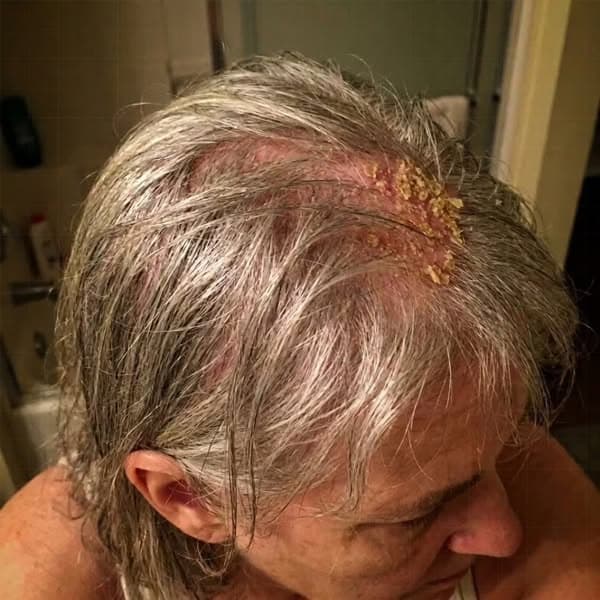

Oct 01, 2026 - Present
Please STOP trying to regrow your hair. I know that sounds crazy, but I’m a board certified dermatologist and most products just make your hair loss worse!!
I finally found a product that actually works for menopausal hair loss and blocks DHT. I recommend it to all my patients. Check it out here: https://start.trybello.com/tb-a503-adv
I finally found a product that actually works for menopausal hair loss and blocks DHT. I recommend it to all my patients. Check it out here: https://start.trybello.com/tb-a503-adv
03:17

Oct 01, 2026 - Present
Please STOP trying to regrow your hair. I know that sounds crazy, but I’m a board certified dermatologist and most products just make your hair loss worse!!
I finally found a product that actually works for menopausal hair loss and blocks DHT. I recommend it to all my patients. Check it out here: https://start.trybello.com/tb-a287-adv
I finally found a product that actually works for menopausal hair loss and blocks DHT. I recommend it to all my patients. Check it out here: https://start.trybello.com/tb-a287-adv
01:00

Oct 01, 2026 - Present
Please STOP trying to regrow your hair. I know that sounds crazy, but I’m a board certified dermatologist and most products just make your hair loss worse!!
I finally found a product that actually works for menopausal hair loss and blocks DHT. I recommend it to all my patients. Check it out here: https://start.trybello.com/tb-a498-adv
I finally found a product that actually works for menopausal hair loss and blocks DHT. I recommend it to all my patients. Check it out here: https://start.trybello.com/tb-a498-adv
00:38

Oct 01, 2026 - Present
Please STOP trying to regrow your hair. I know that sounds crazy, but I’m a board certified dermatologist and most products just make your hair loss worse!!
I finally found a product that actually works for menopausal hair loss and blocks DHT. I recommend it to all my patients. Check it out here: https://start.trybello.com/tb-a287-adv
I finally found a product that actually works for menopausal hair loss and blocks DHT. I recommend it to all my patients. Check it out here: https://start.trybello.com/tb-a287-adv
00:58

Oct 01, 2026 - Present
Please STOP trying to regrow your hair. I know that sounds crazy, but I’m a board certified dermatologist and most products just make your hair loss worse!!
I finally found a product that actually works for menopausal hair loss and blocks DHT. I recommend it to all my patients. Check it out here: https://start.trybello.com/tb-a503-adv
I finally found a product that actually works for menopausal hair loss and blocks DHT. I recommend it to all my patients. Check it out here: https://start.trybello.com/tb-a503-adv
00:51

Oct 01, 2026 - Present
Please STOP trying to regrow your hair. I know that sounds crazy, but I’m a board certified dermatologist and most products just make your hair loss worse!!
I finally found a product that actually works for menopausal hair loss and blocks DHT. I recommend it to all my patients. Check it out here: https://start.trybello.com/tb-a503-adv
I finally found a product that actually works for menopausal hair loss and blocks DHT. I recommend it to all my patients. Check it out here: https://start.trybello.com/tb-a503-adv
01:06

Oct 01, 2026 - Present
Please STOP trying to regrow your hair. I know that sounds crazy, but I’m a board certified dermatologist and most products just make your hair loss worse!!
I finally found a product that actually works for menopausal hair loss and blocks DHT. I recommend it to all my patients. Check it out here: https://start.trybello.com/tb-a287-adv
I finally found a product that actually works for menopausal hair loss and blocks DHT. I recommend it to all my patients. Check it out here: https://start.trybello.com/tb-a287-adv
01:16

Oct 01, 2026 - Present
Please STOP trying to regrow your hair. I know that sounds crazy, but I’m a board certified dermatologist and most products just make your hair loss worse!!
I finally found a product that actually works for menopausal hair loss and blocks DHT. I recommend it to all my patients. Check it out here: https://start.trybello.com/tb-a287-adv
I finally found a product that actually works for menopausal hair loss and blocks DHT. I recommend it to all my patients. Check it out here: https://start.trybello.com/tb-a287-adv
00:49
Atria AI helps you to find the best performing Ads on Meta for Bello Cosmetics products. Discover winning ads on Meta on Oct 2, 2026. With AtriaAI, you can effortlessly explore a vast library of top-performing Bello Cosmetics ads on Meta and derive actionable insights to enhance your ad campaigns. Our robust analytics tools enable you to never create Bello Cosmetics ads on Meta blindly, offering instant reviews of key ad metrics and performance topics for data-driven decisions. Gain a competitive edge with powerful research and analysis features, including competitor analysis for Bello Cosmetics ads on Meta. Our platform also provides endless inspiration from over 100 million winning ads, customizable ad creation tools, and ready-made templates to streamline your creative process. Transform your Bello Cosmetics advertising strategies with AtriaAI and achieve unparalleled success in your campaigns.
Discover the latest ad ideas on Meta
Women's ClothingMen's ClothingWomen's ShoesMen's ShoesBags & WalletsJewelryWatchesEyewearAccessoriesWearable Tech DevicesSportswearDigital DevicesKitchen AppliancesLaundry AppliancesHome AppliancesPersonal Care AppliancesHeating, Cooling & Air QualitySmall AppliancesBaby ClothingKids' ClothingMaternity ClothingBaby Feeding SuppliesBaby FoodBaby FormulaBaby ShoesChild Car SeatsBaby Hygiene ProductsNursery FurnitureStrollers & CribsDiapers & WipesToysSkincareHaircareCosmeticsFragrances & PerfumesPersonal HygieneOral CareMen's GroomingBeauty Tools & AccessoriesAesthetic MedicineFeminine CareWig & Hair StylingNewspaperMagzinesBook StoresMachinery & EquipmentsMarketing & AdvertisingOffice Equipment & SuppliesConsulting ServicesIT ServicesLegal ServicesHR & RecruitingReal Estate & Home RentalsSafety & SecurityOnline RetailersMarketplacesSubscription BoxesDigital ProductsE-commerce PlatformsPayment SolutionsDelivery ServicesEarly Childhood & Preschool EducationK-12 EducationHigher EducationOnline CoursesProfessional CertificationsTutoring ServicesEducational MaterialsLanguage LearningNon-academic Training (Hobbies)Overseas EducationVocational TrainingConferencesTrade ShowsConcertsFestivalsSports EventsCorporate EventsCommunity EventsBankingInsuranceInvestment ServicesLoans & MortgagesFinancial PlanningPrecious MetalsSports EquipmentFitness EquipmentOutdoor GearSupplements & NutritionGyms & Fitness CentersAlcoholic BeveragesCooking & RecipesCuisineFood & Fresh ProduceNon-alcoholic BeveragesRestaurants & CafesPackaged FoodsSnacksBoard gamesBrowser gamesCard gamesCasinoGamblingMobile gamesVideo gamesGovernment OfficialIntergovernmental OrganizationPublic & Government ServiceDietary SupplementsMedical InformationMedical ServicesMedicineWomen's HealthMen's HealthSenior CareFurnitureKitchen & DiningLaundryBed & BathGarden & OutdoorConstruction Materials & LightingStorage & OrganizationInterior Design & Decorating ServicesSmart HomeChild CareDating ServiceGifts & FlowersHousekeepingInternet ServicesPhotographyShopping ServicesUsed Good Sales PlatformsUtilities PaymentsWedding ServicePet FoodPet AccessoriesPet GroomingPet StorePet ToysPet TrainingPet BoardingPet SuppliesProduct & ServiceSoftware & AppsResearch & DevelopmentEngineering ServicesTech AccessoriesTelecommunicationsRoboticsTravel ServiceTravel AgenciesHotels & ResortsLuggage, Bags & CasesCar RentalsBicyclesMotocyclesCarsPlanesBoatsVehicle Parts & AccessoriesVehicle MaintenanceRide-Sharing Services