Ad ideas for Medicine on Meta.
Ad ideas for Medicine on Meta. AtriaAI helps you to find great Medicine ads trending on Meta. Start for free on Atria.

Nov 07, 2026 - Present
I'm a cardiologist, and last week a patient of mine canceled her statin consultation.
Not because she gave up.
Because of something that happened during her lipid panel that I've never seen in 18 years of practice.
I've been treating cardiovascular disease for 18 years.
I've seen every stage of high cholesterol, every level of arterial damage, every type of plaque buildup.
I can tell within 30 seconds of looking at someone's bloodwork what trajectory they're on.
Last week, I couldn't.
A patient came in expecting the worst.
Her LDL had been climbing for four years.
Her last panel six months ago showed LDL at 196, total cholesterol at 274.
She was bracing for the conversation about starting statins.
I pulled up her new lipid panel results.
And I just… stopped.
Her numbers looked different. Not worse. The opposite.
Her LDL had dropped from 196 to 134.
Her total cholesterol went from 274 to 208.
Her triglycerides fell from 210 to 152.
Her HDL actually climbed from 46 to 61.
I looked at her. "What have you been doing?"
"Nothing crazy. Just something my sister told me about."
I didn't believe her. "No statins? No Repatha? No radical diet overhaul?"
"Nothing like that. Just this one thing I've been taking for four months."
I pulled up her previous panels and compared. Her cholesterol had reversed by what looked like five years. Her inflammation markers were dropping.
I sat back in my chair. "I'm going to be honest with you. I don't think we need to discuss statins anymore."
She looked confused. "But my cholesterol—"
"Your cholesterol is better than it's been since before I started treating you."
Long pause.
"So what do I do now?"
"Keep doing whatever you're doing. Because it's working better than anything I was about to prescribe."
She walked out. And I spent the rest of the week wondering what she knew that I didn't.
Here's what bothers me. I've been in cardiology my whole adult life. I know every treatment, every drug, every intervention that's supposed to work.
And I see the same thing in my office every single day. Men and women in their 40s and 50s with cholesterol that keeps climbing no matter what they do.
That constant fatigue that sleep doesn't fix. The brain fog that makes them feel 20 years older. Cold hands and feet no matter the weather. Shortness of breath doing things that used to be easy. Blood pressure creeping up year after year.
And the worst part? The fear. Lying awake at 2 AM wondering if they're going to end up like their father. Watching the calendar and counting down to the next doctor visit where they know the statin conversation is coming.
That's what I see all day long. People who are slowly losing their cardiovascular health no matter how many supplements they take, how clean they eat, how much they exercise.
And I help them. Temporarily. I adjust their medications. Monitor their labs. Then they come back six months later with numbers that are the same or worse.
Because medication manages the numbers. It doesn't stop the oxidation.
The free radical damage. The constant attacks on your LDL that turn it sticky and dangerous — the kind that clings to your artery walls and builds into plaque.
I've known about this for years. But I'd never seen someone who figured out how to actually stop it from happening. Until last week.
I called her that evening. "I know this is unusual, but I can't stop thinking about your lipid panel. What are you actually taking?"
She didn't hesitate. "A concentrated beetroot. Made from heirloom beets. Simple capsules."
We talked for 25 minutes.
She told me she'd spent years trying everything. Cut saturated fat to almost nothing. Oatmeal every morning. Fish twice a week. Walking 30 minutes a day. Her numbers kept getting worse.
She tried red yeast rice. The supplement everyone recommends for cholesterol. Three months later, she had muscle aches — the exact side effect she was trying to avoid from statins — and her LDL barely moved.
She tried plant sterols and fish oil. Took them religiously for six months. Her LDL dropped 8 points. Then climbed right back.
She tried psyllium husk, bergamot, CoQ10 — built an entire supplement stack that cost her $85 a month. Her total cholesterol was still 274.
She said she was about to accept statins as inevitable. One last conversation with her doctor before she gave in.
But four months ago, something changed.
She told me she'd started researching why cholesterol actually becomes dangerous and causes heart attacks in the first place. Not treatments — mechanisms.
She learned that when your LDL keeps climbing and nothing brings it down, the real threat isn't just the number on your lab report.
It's what happens to that cholesterol inside your body.
And here's what nobody tells you:
LDL cholesterol isn't automatically dangerous. It only becomes dangerous when it gets OXIDIZED.
When free radicals — from processed food, chronic stress, pollution, and inflammation — attack your LDL particles, the cholesterol changes. It becomes sticky. It starts clinging to your artery walls. Your immune system treats it as a threat. White blood cells rush in to absorb it. They pile up inside your artery walls as foam cells. That's plaque. That's what narrows arteries. That's what causes heart attacks.
Research published in the Journal of the American Heart Association — one of the most respected medical journals in the world — confirmed that OXIDIZED LDL is the primary driver of atherosclerosis and plaque formation.
Not total LDL. Not the number your doctor watches. The OXIDIZED portion.
Without antioxidant protection against those free radical attacks, that entire damage process runs continuously. Cholesterol keeps getting oxidized. Plaque builds. Arteries keep narrowing. And nothing you take to reduce cholesterol PRODUCTION will fix a cholesterol OXIDATION problem.
Here's the part that made my stomach drop when I read the research.
A study published in Atherosclerosis found that patients with high levels of oxidized LDL had significantly higher rates of heart attacks and strokes — even when their total cholesterol numbers were "controlled" by medication.
The medication was lowering their numbers. But the oxidation never stopped.
Their LDL was still getting attacked by free radicals. Still turning sticky. Still forming plaque. Still causing damage underneath.
And another study in the European Heart Journal confirmed that oxidized LDL was a stronger predictor of heart attack risk than total LDL levels alone.
The number your doctor watches isn't the number that kills you. The oxidized portion is. And nothing in a standard treatment plan addresses oxidation.
Every statin, every supplement, every diet change your doctor has recommended targets cholesterol PRODUCTION or ABSORPTION.
Statins block the enzyme in your liver that produces cholesterol. Plant sterols block cholesterol absorption in your gut. Red yeast rice is literally a weak, unregulated statin. Fish oil reduces triglycerides but doesn't touch LDL.
Not a single one protects your cholesterol from getting oxidized.
They lower the total amount of cholesterol in your blood. But the cholesterol that remains is still unprotected. Still getting attacked by free radicals. Still turning sticky. Still forming plaque inside your arteries.
You can lower production all day long. But if the cholesterol still in your blood has no antioxidant protection, it keeps getting oxidized. The damage keeps happening. The plaque keeps building. And nothing improves.
That's why your cholesterol drops a little when you diet aggressively — then climbs right back when you relax even slightly.
That's why statins "work" on paper but people on statins for twenty years still have heart attacks.
That's why you've tried red yeast rice, plant sterols, fish oil, psyllium, bergamot, CoQ10 — and your arteries are still accumulating damage.
You've been lowering the number. Nobody has been protecting what's left from oxidation.
When you're young, your body produces enough natural antioxidants to keep free radicals in check. Oxidized LDL stays low. Your arteries stay clean. Damage doesn't accumulate.
As you age — and especially after years of processed foods, chronic inflammation, and metabolic stress — your antioxidant defenses weaken.
Free radical production goes UP. Antioxidant production goes DOWN. The balance tips.
And here's what makes this so dangerous: You can't feel it happening. You don't feel cholesterol oxidizing. You don't feel plaque forming. There's no pain signal. No warning. By the time symptoms show up — chest tightness, shortness of breath, a heart attack — years of damage have already built up.
After 40, oxidative stress increases significantly. Chronic low-grade inflammation makes it worse — producing more free radicals that attack your LDL around the clock. Your body can't keep up. The damage outpaces whatever natural defense you have left.
So unprotected LDL keeps getting oxidized. Plaque keeps building inside your arteries. Your doctor watches the LDL number and says you're "doing fine." But underneath, the oxidation — the real damage — never stops.
"You can cut saturated fat, take fish oil, eat oatmeal every morning… all of it," she said. "But without antioxidant protection, the cholesterol already in your blood keeps getting attacked." "No defense. No protection. Just damage building up day after day."
"I learned that the hard way."
"I was doing everything right on the surface," she told me. "Mediterranean diet, no red meat, daily walks, supplement stack that cost me $85 a month… and my LDL would stabilize for a few weeks, then climb right back."
"What changed?" I asked.
"I stopped trying to lower the number — and started protecting the cholesterol already in my blood from getting oxidized."
She told me most cholesterol supplements don't address oxidation at all — they focus on blocking production or absorption while leaving your LDL completely unprotected from free radical damage.
"The capsules I found use heirloom beetroot — not the grocery store kind," she said. "The betalain content hasn't been bred out. And they shade-dry it instead of using heat, so the antioxidants stay intact." "Not random herbs. A concentrated source of betalains — the specific antioxidants that neutralize the free radicals attacking your cholesterol before they can do damage."
"That's when everything changed."
"Once my cholesterol had real antioxidant protection, the oxidation slowed down. My body stopped piling on new damage and started recovering." "My energy came back." "The brain fog lifted." "And my numbers started dropping for the first time in four years."
"And that's what changed your lipid panel?" I asked.
"That's what finally stopped the free radicals from destroying my cholesterol," she said. "For the first time in years."
I didn't even ask what brand at first. I figured I'd research it myself.
Then she said, "I know you're going to look it up, so I'll just tell you. It's called Rosabella Organic Beetroot."
I'd heard of beetroot for heart health before. Never in a formula specifically optimized to protect cholesterol from oxidation.
She pulled up the label:
• Organic Heirloom Beetroot (1,300mg per serving) — grown from seeds passed down six generations on Amish farms in Pennsylvania. These beets contain up to 10 times the betalain concentration of modern grocery store varieties. The betalains haven't been bred out for sugar content, size, or shelf appearance.
• Clinical-Level Betalains — the specific antioxidants that directly neutralize free radicals before they can attack your LDL cholesterol. When free radicals are neutralized, your cholesterol doesn't get oxidized. Doesn't turn sticky. Doesn't cling to artery walls. Doesn't form plaque.
• Shade-Dried Processing — most beetroot supplements use high-heat spray drying. Fast and cheap. But heat destroys betalains — the exact compounds that protect your cholesterol. Rosabella uses shade-drying. Takes longer. Costs more. But the betalains arrive in your bloodstream intact. They actually work.
• Third-Party Verified Potency — every batch independently tested. Certificate of Analysis published. Exact betalain content measured and verified. Heavy metal screening completed. No guessing. Just data you can check yourself.
I looked at it as a cardiologist who knows what actually drives arterial damage. The formulation made sense. The dose was clinical-level. The processing preserved the active compounds. And the mechanism addressed what actually causes plaque — not just the number on a lab report.
"How long did it take to work?"
"I noticed more energy around week two. The afternoon crashes stopped. My hands and feet weren't cold all the time anymore by week three. The brain fog started lifting. I felt sharper.
By week six, I could walk up stairs without getting winded.
By week eight, I had more energy than I'd had in years.
By month four, my lipid panel had improved for the first time in four years."
She showed me her lab history. Four months ago: LDL climbing, total cholesterol 274, triglycerides elevated, HDL low. Last week: the numbers I'd seen in my office. Dropping. Stabilizing. Reversing.
"I almost didn't try it," she said. "Because it sounded… too simple." "But that's why I stuck with it. Two capsules. No complicated routine. And it actually targets why cholesterol becomes dangerous in the first place."
I ordered a bottle that night. Not for a patient — for myself.
I'm 52 and my own cholesterol has been creeping up for three years. I follow the diet I recommend to patients. I don't drink excessively. I exercise regularly. My numbers were stable. Better than average for my age.
But not improving.
And I'd be lying if I said I wasn't thinking about what I'd watched happen to my own patients. The ones who waited too long. The ones whose plaque was already advanced by the time they got serious.
Week one: I had more energy in the afternoons. Subtle, but noticeable. Week three: the mental fog I'd been blaming on "getting older" started clearing. Week five: I woke up actually feeling rested. My hands were warm for the first time in months.
Week eight: I ran my own lipid panel. My LDL had dropped 22 points — the first decline in three years. My HDL was up. My triglycerides were down.
I also ran an oxidized LDL test — something I don't normally order for myself. My oxidized LDL had dropped significantly. The free radical damage was slowing down.
Week ten: a colleague asked what I'd changed. Said I looked different.
I'm a cardiologist. People ask me about heart health all the time. But this time she said, "You look less tired. Your energy is different."
She was right. My cardiovascular system had regained something I didn't realize I'd lost. That clean energy. That clear-headed feeling. The difference you notice when your cholesterol is protected instead of just managed on paper.
Not from medication. Not from a stricter diet. From giving my body the antioxidant protection it needed to stop cholesterol from getting oxidized in the first place.
If your LDL keeps climbing no matter what you do… If your doctor is pushing statins and you're terrified of the side effects… If you've watched a parent suffer on cholesterol medication — the muscle pain, the brain fog, the fatigue… If you've tried red yeast rice, plant sterols, fish oil, psyllium — and nothing has moved the needle…
It's not the supplements' fault. It's that none of them protect your cholesterol from oxidation.
Your cholesterol didn't climb because you're eating wrong. It climbed because free radicals have been attacking your LDL for years — turning it sticky and dangerous — and nothing you've taken has stopped that process.
You can't fix that with another production-blocking supplement. You can't fix it with a stricter diet. You can't fix it by lowering the number when the real problem is what's happening to the cholesterol that remains.
You need antioxidant protection that actually reaches your bloodstream and neutralizes free radicals before they can damage your LDL.
You need betalains — the specific antioxidants found in concentrated heirloom beetroot — in a dose high enough to work, and processed correctly so they arrive intact.
Not grocery store beets that have had the betalains bred out over a century of commercial farming. Not heat-processed powder that destroys the active compounds before they reach your body. Not a trace-amount capsule with a label that says "beetroot" but delivers nothing your cholesterol can actually use.
1,300mg of heirloom beetroot per serving. Shade-dried. Clinical-level betalain concentration. Third-party verified.
That's what Rosabella delivers.
Every cholesterol supplement you've tried focuses on PRODUCTION — blocking the enzyme that makes cholesterol, blocking absorption in your gut, reducing triglycerides.
But if your cholesterol has no protection from free radical attacks, reducing production still leaves the remaining LDL exposed. The oxidation continues. The plaque keeps building.
You have to stop the oxidation.
That's what this formula does.
I'm a cardiologist. I've been doing this for 18 years. I prescribe statins that manage numbers and slow the damage. But I can't stop free radicals from attacking your LDL from the outside. That protection has to come from within.
This is what's working for me — and for the patient who canceled her statin consultation because her cholesterol was actually improving on its own.
If you want to try what we're using: https://track.tryrosabella.com/cdc16426-3e48-40a7-9fad-21098084f6cf
It takes about 8–12 weeks to see real changes in your lipid panel.
I spent years helping people manage their decline. Four months ago, I started protecting my own cholesterol from oxidation with concentrated heirloom beetroot.
The difference showed up in my labs before anyone noticed it in my face. Not because I changed my diet. Because my LDL finally had the antioxidant protection it needed to stop getting attacked and turned into plaque.
That's the part nobody talks about.
Every supplement targets production. Nobody targets oxidation.
Your body already knows how to keep cholesterol healthy. It just needs the antioxidant defense working again.
That's all.
P.S. — If your doctor is already pushing statins, your cholesterol has been oxidizing and building plaque for years without protection. Every month you wait, more LDL gets attacked by free radicals. More sticky, damaged cholesterol clings to your artery walls. The window to address this naturally gets smaller. Most patients see meaningful improvement in 8-12 weeks. Your next lipid panel is your proof.
P.P.S. — My patient's father was on statins for 16 years. Muscle pain so bad he stopped exercising. Brain fog that made him forget conversations. And his cholesterol was "controlled" the entire time — because the medication was forcing numbers down while his LDL was still getting oxidized and his arteries were still accumulating plaque underneath. He had a heart attack at 67. Numbers "perfect" on paper. She refused to follow that path. Four months later, her LDL is 134. No statins. No side effects. No watching her mind fade. Just her cholesterol finally protected from the damage that was destroying her father from the inside.
https://track.tryrosabella.com/cdc16426-3e48-40a7-9fad-21098084f6cf


Nov 09, 2026 - Present
Learn more about Keck Medicine of USC. Great colleagues who listen. Dedicated teams working together. Commitment to personalized care.


Nov 08, 2026 - Present
Learn more about Keck Medicine of USC. Great colleagues who listen. Dedicated teams working together. Commitment to personalized care.


Nov 07, 2026 - Present
Learn more about Keck Medicine of USC. Great colleagues who listen. Dedicated teams working together. Commitment to personalized care.


Nov 08, 2026 - Present
Learn more about Hospital for Behavioral Medicine. Join a dynamic team where mental health matters and your care makes a meaningful impact.

Nov 04, 2026 - Present
Learn more about Keck Medicine of USC. Don't miss USC Verdugo Hills Hospital's hiring event on Thursday, November 5th!


Nov 04, 2026 - Present
Learn more about Keck Medicine of USC. Don't miss USC Verdugo Hills Hospital's hiring event on Thursday, November 5th!

Make high converting ads 10x faster
AI-powered ad creative platform for insights, inspirations, and ideations.
Trusted by 5000+ teams

Nov 06, 2026 - Present
Learn more about Keck Medicine of USC. Great colleagues who listen. Dedicated teams working together. Commitment to personalized care.


Nov 06, 2026 - Present
Learn more about Keck Medicine of USC. Great colleagues who listen. Dedicated teams working together. Commitment to personalized care.


Nov 06, 2026 - Present
Learn more about Hospital for Behavioral Medicine. Join a dynamic team where mental health matters and your care makes a meaningful impact.

Nov 06, 2026 - Present
Learn more about Hospital for Behavioral Medicine. Join a dynamic team where mental health matters and your care makes a meaningful impact.

Nov 02, 2026 - Present
Learn more about Keck Medicine of USC. Don't miss USC Verdugo Hills Hospital's hiring event on Thursday, November 5th!


Nov 04, 2026 - Present
Learn more about Keck Medicine of USC. Great colleagues who listen. Dedicated teams working together. Commitment to personalized care.


Nov 04, 2026 - Present
Learn more about Keck Medicine of USC. Great colleagues who listen. Dedicated teams working together. Commitment to personalized care.


Nov 01, 2026 - Present
Learn more about Keck Medicine of USC. Don't miss USC Verdugo Hills Hospital's hiring event on Thursday, November 5th!


Nov 01, 2026 - Present
Learn more about Keck Medicine of USC. Don't miss USC Verdugo Hills Hospital's hiring event on Thursday, November 5th!


Nov 04, 2026 - Present
Learn more about Hospital for Behavioral Medicine. Join a dynamic team where mental health matters and your care makes a meaningful impact.

Nov 04, 2026 - Present
Learn more about Hospital for Behavioral Medicine. Join a dynamic team where mental health matters and your care makes a meaningful impact.

Nov 09, 2026 - Present
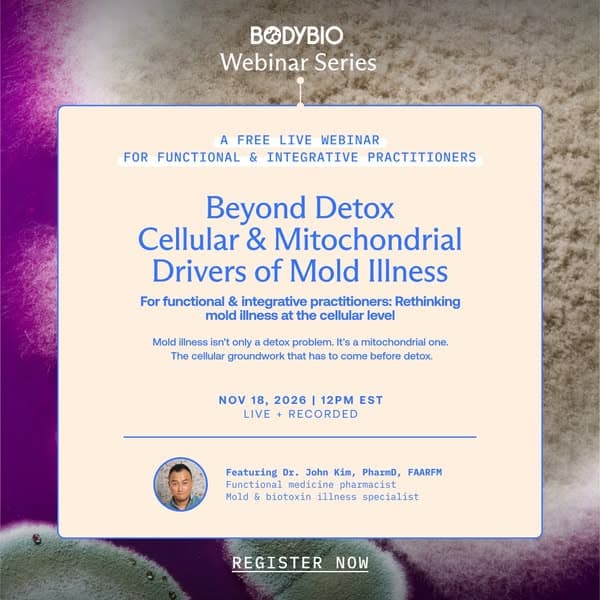
For Functional Medicine Practitioners: Sign Up for a webinar with Dr. John Kim, Functional Medicine Pharmacist + Mold & Biotoxin Illness Specialist. On the webinar he dives into why detox protocols stall & what comes first.
Atria AI helps you to find the best performing Ads on Meta for Medicine products. Discover winning ads on Meta on Nov 10, 2026. With AtriaAI, you can effortlessly explore a vast library of top-performing Medicine ads on Meta and derive actionable insights to enhance your ad campaigns. Our robust analytics tools enable you to never create Medicine ads on Meta blindly, offering instant reviews of key ad metrics and performance topics for data-driven decisions. Gain a competitive edge with powerful research and analysis features, including competitor analysis for Medicine ads on Meta. Our platform also provides endless inspiration from over 100 million winning ads, customizable ad creation tools, and ready-made templates to streamline your creative process. Transform your Medicine advertising strategies with AtriaAI and achieve unparalleled success in your campaigns.
Discover the latest ad ideas on Meta
Women's ClothingMen's ClothingWomen's ShoesMen's ShoesBags & WalletsJewelryWatchesEyewearAccessoriesWearable Tech DevicesSportswearDigital DevicesKitchen AppliancesLaundry AppliancesHome AppliancesPersonal Care AppliancesHeating, Cooling & Air QualitySmall AppliancesBaby ClothingKids' ClothingMaternity ClothingBaby Feeding SuppliesBaby FoodBaby FormulaBaby ShoesChild Car SeatsBaby Hygiene ProductsNursery FurnitureStrollers & CribsDiapers & WipesToysSkincareHaircareCosmeticsFragrances & PerfumesPersonal HygieneOral CareMen's GroomingBeauty Tools & AccessoriesAesthetic MedicineFeminine CareWig & Hair StylingNewspaperMagzinesBook StoresMachinery & EquipmentsMarketing & AdvertisingOffice Equipment & SuppliesConsulting ServicesIT ServicesLegal ServicesHR & RecruitingReal Estate & Home RentalsSafety & SecurityOnline RetailersMarketplacesSubscription BoxesDigital ProductsE-commerce PlatformsPayment SolutionsDelivery ServicesEarly Childhood & Preschool EducationK-12 EducationHigher EducationOnline CoursesProfessional CertificationsTutoring ServicesEducational MaterialsLanguage LearningNon-academic Training (Hobbies)Overseas EducationVocational TrainingConferencesTrade ShowsConcertsFestivalsSports EventsCorporate EventsCommunity EventsBankingInsuranceInvestment ServicesLoans & MortgagesFinancial PlanningPrecious MetalsSports EquipmentFitness EquipmentOutdoor GearSupplements & NutritionGyms & Fitness CentersAlcoholic BeveragesCooking & RecipesCuisineFood & Fresh ProduceNon-alcoholic BeveragesRestaurants & CafesPackaged FoodsSnacksBoard gamesBrowser gamesCard gamesCasinoGamblingMobile gamesVideo gamesGovernment OfficialIntergovernmental OrganizationPublic & Government ServiceDietary SupplementsMedical InformationMedical ServicesMedicineWomen's HealthMen's HealthSenior CareFurnitureKitchen & DiningLaundryBed & BathGarden & OutdoorConstruction Materials & LightingStorage & OrganizationInterior Design & Decorating ServicesSmart HomeChild CareDating ServiceGifts & FlowersHousekeepingInternet ServicesPhotographyShopping ServicesUsed Good Sales PlatformsUtilities PaymentsWedding ServicePet FoodPet AccessoriesPet GroomingPet StorePet ToysPet TrainingPet BoardingPet SuppliesProduct & ServiceSoftware & AppsResearch & DevelopmentEngineering ServicesTech AccessoriesTelecommunicationsRoboticsTravel ServiceTravel AgenciesHotels & ResortsLuggage, Bags & CasesCar RentalsBicyclesMotocyclesCarsPlanesBoatsVehicle Parts & AccessoriesVehicle MaintenanceRide-Sharing Services